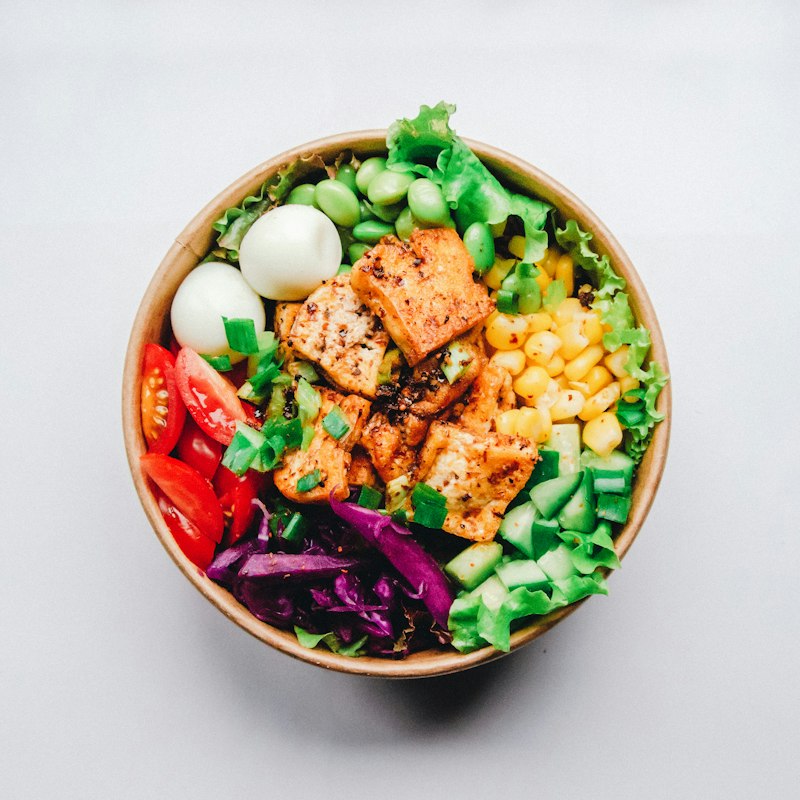
Chili crisp has become an American kitchen staple, and for good reason. This umami-packed condiment, built from oil, chilies, and garlic, transforms bland dishes into exciting ones within seconds. Home cooks now deploy it across everything from breakfast eggs to pasta to vegetables. The trend reflects a broader shift toward bold Asian flavors entering mainstream American cooking.
The latest application gaining traction is chili crisp crispy tofu, a 30-minute weeknight dinner that requires minimal ingredients and zero culinary expertise. The recipe demonstrates how a single condiment can anchor an entire meal, turning humble plant-based protein into something restaurant-quality.
What makes this approach so effective lies in chili crisp's inherent properties. The oil carries fat-soluble flavor compounds that cling to food surfaces. The crispy fried garlic and chili flakes provide both textural contrast and concentrated heat. The umami from the base notes of the condiment creates depth without requiring lengthy cooking times or complex technique.
The dish works because tofu provides a neutral canvas. Firm or extra-firm tofu pressed and pan-fried until the exterior shatters turns golden brown. Once it reaches that stage, a generous coating of chili crisp transforms it completely. The oil adheres to the crispy surface, the chilies add punctuating heat, and the garlic fragments deliver concentrated savor in every bite.
Building the rest of the meal around this core takes minimal effort. Rice or noodles provide ballast. A quick vegetable like bok choy or broccoli adds nutrition and textural variety. A splash of soy sauce or lime juice can brighten the dish without competing with the chili crisp's prominence.
This trend reflects larger patterns in how Americans eat. Chili crisp's rise stems from increased access to Asian ingredients, growing comfort with bold flavors, and the search for quick, satisfying meals that don't sacrifice taste for speed. Brands like Lao Gan Ma established the category decades ago, but American producers have flooded the market in recent years. Traders Joe's chili crisp, Fly by Jing's numbing-forward version, and countless regional producers now line grocery shelves.
The condiment's versatility explains its popularity. Unlike hot sauce or sriracha, chili crisp doesn't simply add heat. The textural element makes it work on foods that would turn mushy with liquid condiments. The oil acts as a preserving medium while also delivering richness. The garlic and chili ratio allows for customization depending on the brand, meaning cooks can match it to their preferred level of heat and umami intensity.
For weeknight cooks, this matters tremendously. Building restaurant-quality meals on a Tuesday night typically requires either extensive shopping lists or culinary skill. Chili crisp crispy tofu needs neither. The condiment does most of the heavy lifting. The tofu provides protein. The cooking method takes 15 minutes. A side dish requires minimal attention.
This reflects where American home cooking has landed. Cooks increasingly reach for strategic ingredients that multiply their flavor potential. Rather than mastering complex techniques, they stock condiments that work across multiple cuisines and applications. Chili crisp occupies a unique position in this ecosystem: familiar enough for mainstream adoption, bold enough to satisfy adventurous palates, and versatile enough to justify permanent pantry space.