# Indian Spices Meet French Technique: Restaurants Chase Bold New Flavor Combinations
Chefs across the country are abandoning the rulebook, layering unexpected ingredients into dishes that defy single-cuisine classification. The latest wave shows fine dining embracing global fusion in ways that feel natural rather than gimmicky.
The tandoori chicken roulade represents this shift cleanly. The dish wraps tandoori-spiced chicken around a filling, combining the char-kissed techniques of Indian tandoor cooking with the elegant plating tradition of French cuisine. This hybrid approach signals that diners no longer want to choose between culinary traditions. They want both, layered into one plate.
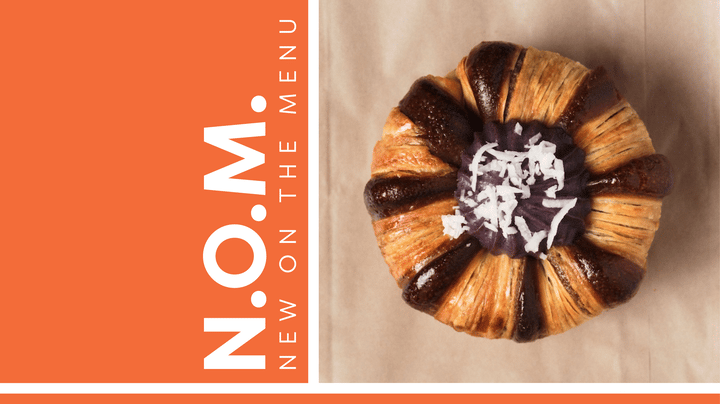
Poi pastry appetizers tell another story about ingredient crossing. Poi, the Hawaiian staple made from taro root, enters pastry dough typically built from wheat flour and butter. The result carries tropical earthiness into a format most patrons associate with European baking. This move speaks to a broader trend in American fine dining: sourcing ingredients from diaspora communities and treating them with the same respect reserved for French butter or Italian pasta.
The tom yam shrimp toast reflects Southeast Asian influence gaining steam in upscale kitchens. Tom yam, the Thai soup powered by lemongrass, galangal, and lime, becomes a vehicle for shrimp mounted on toast. This appetizer translates bold soup flavors into handheld format, making complex aromatics accessible before the main course arrives. Chefs recognize that shrimp, when paired with tom yam's heat and citrus punch, commands attention without requiring diners to wrestle with spoons.
A tequila-cantaloupe cocktail extends this flavor exploration beyond food. Tequila's agave notes complement cantaloupe's sweetness through balance rather than masking. The drink sits somewhere between margarita tradition and contemporary mixology obsession with seasonal produce. Bartenders increasingly treat spirits as ingredients rather than as backbones, allowing melon juice and tequila to share equal billing.
The appetizer named for a bride and groom remains unnamed in available reporting, but the concept itself matters. Dishes bearing couple names typically carry narrative weight. Such naming conventions invite guests into the chef's personal story or cultural reference point. This strategy builds emotional connection to what arrives on the plate, transforming a composed dish into a moment worth remembering and discussing.
These menu additions reflect restaurant economics in motion. As ingredient costs fluctuate and supply chains stabilize post-pandemic, chefs regain flexibility to experiment. Tandoori spices, taro root, and cantaloupe represent different supply channels, different seasons, different price points. Smart restaurants balance these elements.
The broader pattern here deserves attention: menus no longer segregate cuisines into separate sections labeled "Indian," "Thai," or "French." Instead, chefs move ingredients across traditional boundaries. A single tasting menu might contain tandoori technique, Hawaiian starch, Southeast Asian aromatics, and Mexican spirits within four courses. This represents genuine cultural exchange rather than appropriation. Chefs train under multiple traditions, travel regularly, and inherit culinary knowledge from immigrant communities feeding American cities.
These specific dishes, across these specific restaurants, indicate that diners willingly follow chefs into unknown territory. They order the roulade. They taste the poi pastry. They sip tequila-cantaloupe knowing the combination sounds strange but trusting the chef's instinct.
That trust, built slowly through years of solid technique and respect for ingredients, now fuels experimentation. Restaurants expanding their menus with these hybrid creations bet that their reputation carries enough weight to justify risk.