# Major Chains Face Shifting Consumer Habits as Restaurant Landscape Evolves
Starbucks, Papa John's, and Pollo Tropical sit at the center of broader changes reshaping American restaurant operations and consumer behavior. These three chains, representing coffee, pizza, and quick-service chicken segments, each navigate distinct pressures from changing customer preferences, labor costs, and delivery economics.
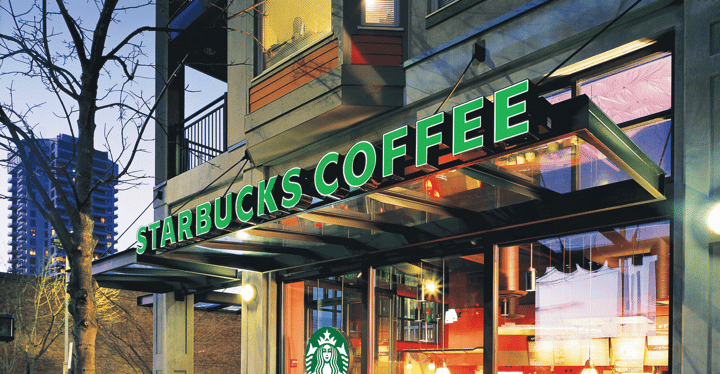
Starbucks continues to grapple with its identity as both a premium coffee destination and a convenience play. The Seattle-based giant operates over 15,000 U.S. locations, making it the most visible symbol of specialty coffee culture. Yet the chain faces mounting labor organizing efforts, particularly following unionization votes in multiple markets. Mobile ordering remains a core driver of growth, but it has fundamentally altered in-store traffic patterns and store layouts. The company's push into automation, including ordering kiosks and streamlined bar operations, reflects attempts to manage labor pressures while maintaining service speed.
Papa John's, with roughly 5,300 U.S. locations, operates in an increasingly competitive pizza delivery space dominated by logistics sophistication. Third-party delivery platforms have transformed how independent pizzerias and large chains compete. Papa John's maintains its own delivery network, giving it margin control that pure delivery-dependent concepts lack. The chain's focus on technology integration, from app ordering to GPS tracking, keeps it competitive against both national chains like Domino's and Pizza Hut and local operators who now reach customers through aggregator apps.
Pollo Tropical operates approximately 150 locations, primarily in Florida and the Caribbean, positioning itself as a flame-grilled chicken specialist with a Caribbean twist. The brand targets health-conscious consumers seeking better-for-you fast-casual options without the premium pricing of chains like Chipotle or Sweetgreen. Pollo Tropical's smaller footprint allows menu agility and regional customization, strengths that matter as consumers increasingly demand fresh ingredients and dietary accommodation.
These three chains reveal how restaurant operators adapt to 2024 realities. Labor remains the dominant cost pressure. Wage inflation exceeds broader economic inflation, forcing brands to either raise prices, reduce service levels, or invest in automation. Consumer spending patterns fragment. Affluent diners visit Starbucks for premium experiences and mobile ordering convenience. Value-focused consumers trade down or consolidate trips. Delivery economics reshape unit economics for pizza chains, creating pressure on commission costs when using third-party platforms.
Digital transformation accelerates unevenly across concepts. Starbucks leverages its massive customer database for loyalty program targeting and personalization. Papa John's competes on delivery speed and pricing transparency. Pollo Tropical emphasizes fresh-made positioning in a category where perception of quality drives purchase decisions.
The restaurant industry's next phase depends on how chains balance automation with service quality, adjust pricing without losing volume, and adapt menus to evolving health consciousness. These three brands offer different playbooks for that challenge. Starbucks bets on premiumization and convenience. Papa John's doubles down on delivery efficiency. Pollo Tropical leverages regional identity and fresh positioning. Their success or struggle signals where restaurant growth concentrates in coming quarters.