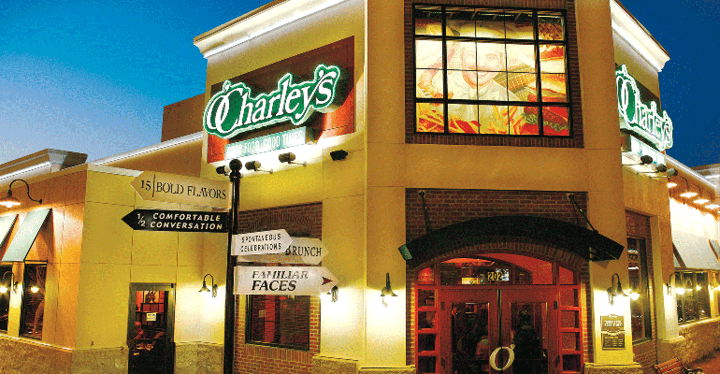
O'Charley's, the Nashville-based casual-dining chain, shuttered all corporate-owned locations on Wednesday in what amounts to a sudden operational collapse. Franchised outlets continue operating independently, but the company's direct restaurant network has gone dark.
The move signals deeper trouble within a regional brand that built its reputation on Southern comfort food across Tennessee and neighboring states. O'Charley's operated as a mid-tier casual restaurant chain, competing with larger national players like Cracker Barrel and Applebee's while maintaining a regional footprint.
The closure of all company-operated restaurants represents a dramatic shift for a chain with decades of operating history. When corporate entities shutter entire networks of locations simultaneously, it typically indicates either severe financial distress or a strategic pivot away from direct ownership models. The decision to maintain franchise locations suggests the brand still holds value for independent operators, even as corporate operations prove unsustainable.
For employees at corporate locations, the abrupt nature of the closure raises immediate concerns about severance, final paychecks, and employment prospects. For franchisees, the move creates operational uncertainty. While franchised O'Charley's locations retain autonomy to operate independently, they lose support infrastructure, supply-chain advantages, and marketing reach that corporate backing typically provides. Franchisees must now navigate sourcing, staffing, and promotional decisions without the parent company's resources.
This closure reflects broader pressures hammering casual-dining establishments nationwide. Rising labor costs, supply-chain disruptions, and changing consumer preferences have compressed margins across the segment. Younger diners increasingly favor fast-casual concepts or delivery-based ordering over traditional sit-down casual dining. Post-pandemic consumer behavior has not fully returned to pre-2020 restaurant patterns, leaving many regional chains struggling to justify multiple locations.
O'Charley's closure joins a longer list of regional casual-dining casualties. Chains like Fuddruckers, Red Robin, and Friendly's have filed bankruptcies or aggressively downsized in recent years. The casual-dining category, once a growth engine for restaurant groups, now faces structural headwinds that affect even established brands with loyal regional customer bases.
The shutdown raises questions about what comes next. Corporate ownership of the brand could be sold, restructured, or dissolved entirely. Franchisees operating surviving locations face the reality that they now operate independently without parent-company safety nets. Some may thrive as standalone entities, particularly in markets with strong local loyalty to O'Charley's cuisine and service. Others may struggle without supply agreements, training programs, or national marketing support.
For the Nashville restaurant community, the closure represents a significant loss. The city's dining scene includes many long-standing regional brands with deep roots, and O'Charley's disappearance from corporate operations marks another consolidation pressure on local restaurant heritage.
Franchise ownership models can survive parent-company collapse if individual units maintain customer relationships and operational efficiency. Yet O'Charley's franchisees now operate in uncharted territory, managing restaurants without the backing that built the brand's recognition.