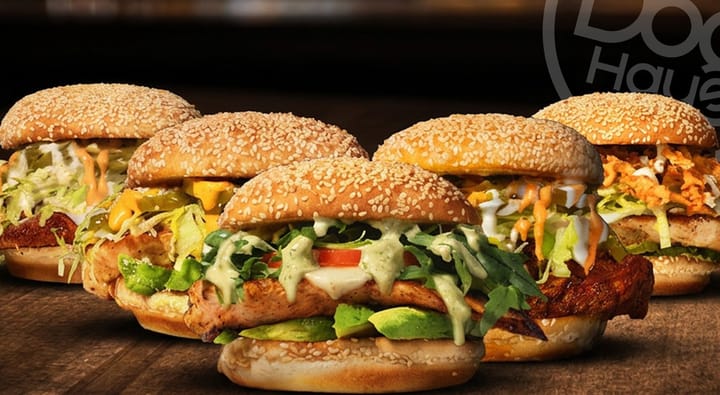
# Dog Haus Expands Beyond Sausages with Sweeping 33-Item Menu Overhaul
Dog Haus, the Sacramento-based fast-casual sausage specialist, has executed a major menu transformation that signals the brand's shift toward broader appeal beyond its core hot dog and sausage offerings. The chain added or reimagined 33 items across its menu, introducing an entirely new grilled-chicken category that represents a significant departure from its heritage product line.
The overhaul reflects a strategic pivot common among single-concept fast-casual chains seeking growth in saturated markets. Dog Haus built its reputation on premium sausages and creative dog preparations since its founding in 2010, but the new menu construction acknowledges that today's diners increasingly demand variety within a single visit. The grilled-chicken addition specifically targets health-conscious consumers and those seeking lighter protein options, a demographic that hot dogs traditionally underserve.
The breadth of the refresh matters. Reimagining 33 items rather than simply adding a few chicken sandwiches suggests Dog Haus rethought side dishes, sauces, bread options, and possibly appetizers or desserts. This comprehensive approach prevents the chicken category from feeling like an afterthought. Instead, it positions the entire restaurant as a grilled-meat destination rather than a sausage-specific concept.
For Dog Haus locations and franchise owners, the menu expansion addresses a persistent challenge in fast-casual growth. Single-concept restaurants often plateau once they've captured their core customer base. Adding complementary items allows existing diners to visit more frequently while attracting new segments. A customer base that previously saw Dog Haus as "only for sausage lovers" now has reason to visit regularly with varied companions and dietary preferences.
The timing aligns with broader industry trends. Fast-casual chains from Chipotle to Shake Shack have expanded beyond their original offerings to capture larger daypart opportunities. Lunch traffic often demands different proteins and preparation styles than dinner. Adding grilled chicken allows Dog Haus to compete for mid-day occasions where a sausage might feel too heavy or indulgent.
The menu overhaul also creates inventory and operational complexity. Grilled-chicken production requires different equipment protocols, protein suppliers, and cooking techniques than sausage preparation. Dog Haus likely invested in new kitchen infrastructure and staff training to execute this transition at scale across its restaurant network. Managing food costs for an expanded menu also demands tighter supplier relationships and portion control.
Dog Haus operates approximately 150 locations across North America, with significant franchise presence. This menu change rolls out system-wide, meaning franchisees must implement the new items immediately or within a defined timeline. For some franchisees, the upfront training and equipment costs present obstacles, though the expanded menu should ultimately drive higher ticket averages and customer frequency.
The shift also reflects changing consumer expectations around restaurant versatility. Gone are the days when a single-item restaurant could thrive without offering alternatives for different dietary needs or taste preferences. Today's fast-casual diners expect breadth within narrow concepts. Dog Haus answers this demand while protecting its sausage-forward identity.