Frozen yogurt and soft-serve ice cream occupy different corners of the frozen dessert landscape, yet consumers often treat them interchangeably. Understanding their distinctions matters for anyone who cares about what they consume.
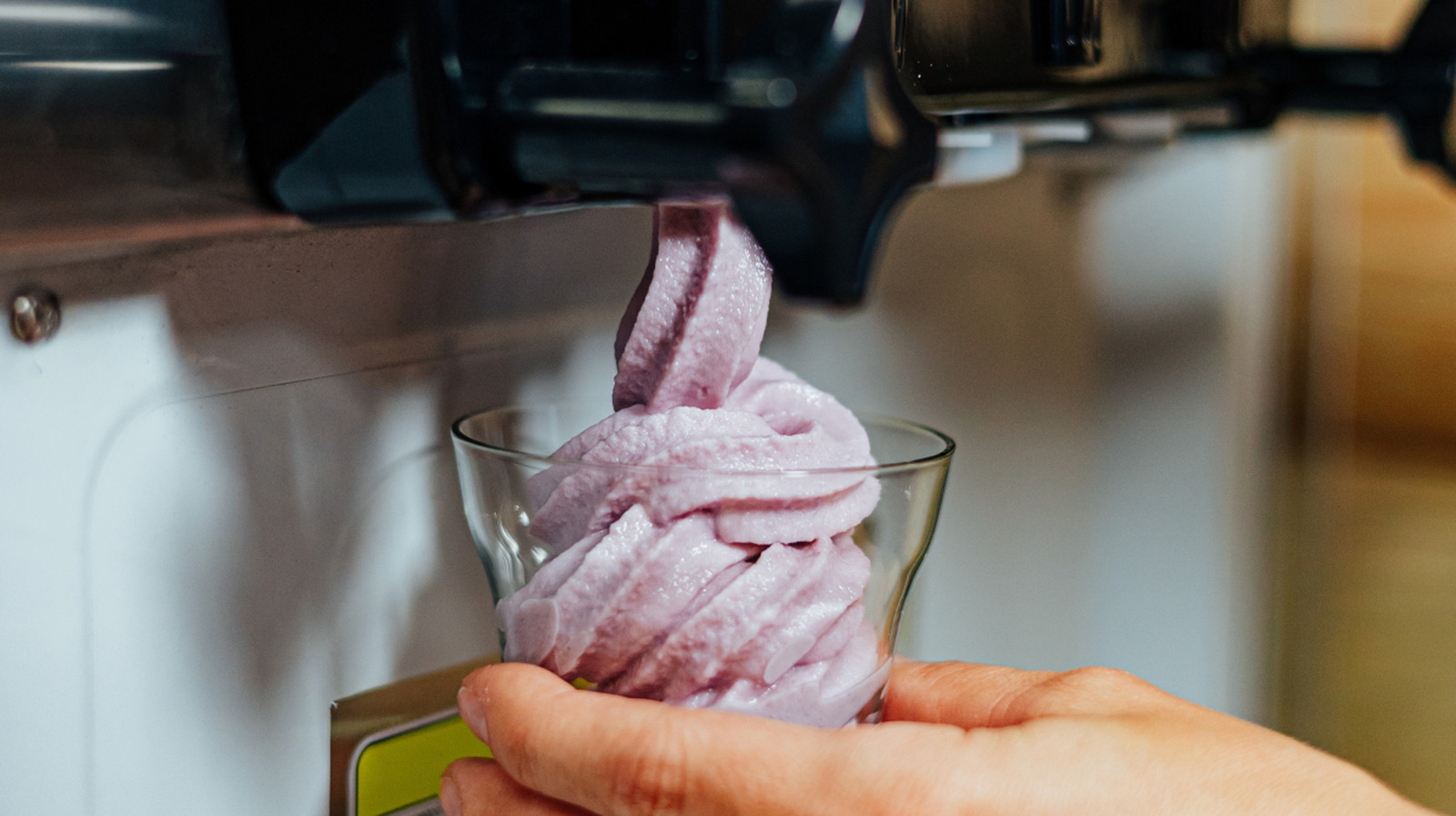
Soft-serve ice cream starts with a standard ice cream base, but the machine dispensing it works differently. The mixture gets partially frozen as it emerges from the nozzle, creating that characteristic smooth, creamy texture with visible swirls. Soft-serve contains around 3 to 6 percent fat and incorporates air during the freezing process, which gives it volume and that pillowy mouthfeel. The machine runs cold but not cold enough to fully solidify the product, so it comes out at roughly 18 to 21 degrees Fahrenheit—soft enough to dispense without hardening completely.
Frozen yogurt takes a fundamentally different approach. It begins with yogurt cultures rather than cream and milk, introducing live or inactive bacterial cultures into the base. This gives fro yo its signature tangy flavor profile. The fat content typically ranges lower than soft-serve, sitting between 0 and 6 percent depending on whether the yogurt uses whole milk, low-fat, or nonfat bases. Frozen yogurt gets completely frozen before serving, requiring a scoop rather than a machine dispense. It's harder, denser, and lacks the airy quality of soft-serve.
The taste difference follows logically from these production methods. Soft-serve delivers pure cream flavor with sweetness and richness. Frozen yogurt brings tartness from the yogurt cultures, offering complexity that appeals to consumers seeking a lighter indulgence or those who enjoy tangy dairy flavors. The cultural moment matters too. Frozen yogurt surged in popularity during the 1980s and 1990s as a perceived healthier alternative to ice cream, though this reputation didn't always match reality when sugar content factored in. Soft-serve remains a carnival and fast-food staple, instantly recognizable and nostalgia-driven.
Texture shapes the eating experience profoundly. Soft-serve melts quickly on the tongue due to its high air content and higher temperature. Frozen yogurt melts more slowly because it's denser and colder. This affects everything from how long a treat lasts to how it pairs with toppings and mix-ins.
Nutritionally, soft-serve generally contains more fat and calories than frozen yogurt made from nonfat bases, though loaded fro yo spots add so many mix-ins and toppings that this advantage disappears quickly. A plain soft-serve cone might clock in at 150-200 calories, while a basic frozen yogurt serving sits slightly lower. Both can veer into indulgence territory once you add syrups, cookies, candy, and other embellishments.
The machinery required for each product differs too. Soft-serve demands a specific machine that freezes while dispensing, maintaining precise temperature control. Frozen yogurt works with standard commercial freezers, making it easier and cheaper to produce at scale. This partly explains why frozen yogurt franchises proliferated in the 2010s, allowing entrepreneurs to enter the frozen dessert market without investing in specialized equipment.
Neither product represents pure ice cream, though both satisfy similar cravings. Soft-serve offers immediate gratification and creamy indulgence. Frozen yogurt provides tanginess and perceived wellness credentials. Both remain fixtures on menus from boardwalks to shopping centers, each appealing to different moods and preferences.