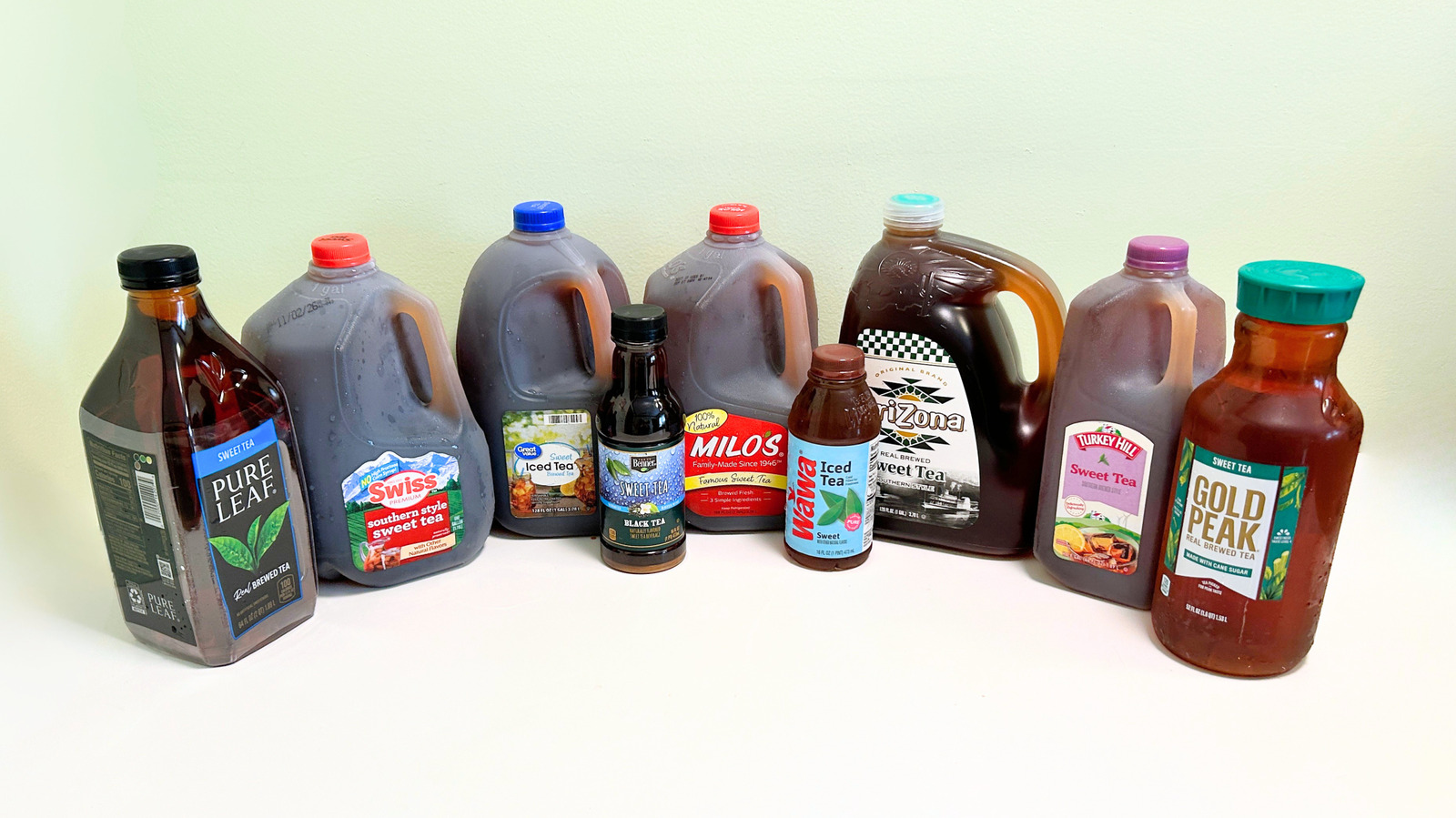
# Ranking the Store-Bought Sweet Tea Market: Which Brands Actually Deserve Your Shelf Space
The sweet tea aisle has become cluttered with mediocre offerings, and The Daily Meal decided to cut through the noise by testing nine commercial brands head-to-head. Their ranking, based on flavor profile and sweetness balance, reveals hard truths about which bottled teas deliver authentic taste and which ones fall flat.
Sweet tea occupies a particular cultural position in American food. It's the beverage of Southern tradition, backyard gatherings, and long summer afternoons. When that ritual moves from homemade pitchers to store shelves, something often gets lost. The challenge for manufacturers involves balancing shelf stability with the delicate balance of tea's natural tannins and sugar. Too much sweetness masks the tea's character. Too little, and consumers feel cheated by the category's core promise.
The tasting revealed a wide performance gap across the market. Brands ranked at the bottom struggled with one of two problems: either they delivered a tea flavor so muted it barely registered, or they leaned so heavily into sweetness that sugar overwhelmed any botanical notes. One critical failure involved artificial sweeteners that left a chemical aftertaste, betraying the category's expectation for straightforward flavor.
Top performers in the ranking managed genuine tea character. They started with quality black tea as their foundation, rather than relying on flavoring agents to create the illusion of tea taste. The best versions showed balance. Sweetness enhanced rather than buried the tea's natural characteristics. These leaders also recognized that a proper steep matters. Brands that invested in steeping protocols produced noticeably cleaner, more authentic profiles than those treating tea as an afterthought.
The commercial sweet tea category reflects larger beverage industry trends. Ready-to-drink tea consumption has climbed steadily as consumers seek alternatives to soda and energy drinks. Yet the category remains fragmented, with regional brands competing against national giants. Authenticity claims matter here. Consumers increasingly distrust highly processed beverages and demand recognizable ingredients and transparent production methods.
Price point differences also emerged. Budget brands often cut corners on tea quality and relied on excessive sweetness to mask inferior blending. Mid-range options showed more consistency, though some still exhibited inconsistent sweetness levels across batches. Premium brands occasionally over-positioned themselves, charging significantly more without delivering proportionate flavor improvements.
The ranking matters beyond individual purchase decisions. It signals market consolidation pressure. As consumers become more selective, brands that fail to deliver authentic taste face declining shelf space. Retailers, watching sell-through data carefully, will pull underperformers. This creates opportunity for smaller, regional sweet tea producers who understand their local markets and can deliver superior flavor at competitive prices.
Store-bought sweet tea remains a convenience play for busy households and office workers. Few consumers expect bottled versions to match homemade versions made with loose-leaf tea and fresh brewed techniques. But that doesn't excuse mediocrity. The best commercial options prove that scale and shelf stability don't require sacrificing core flavor. They demonstrate that tea quality, proper sweetness ratios, and clean ingredient lists create beverages worth reaching for repeatedly.