# Spritzes Reign Supreme: Lower-Alcohol Cocktails Reshape Summer Bar Economics
Bars across America have discovered a profitable truth this summer. Spritzes and other lower-alcohol cocktails are driving sales in ways that stronger drinks never did. Square's point-of-sale data, which tracks millions of transactions across thousands of venues, reveals a clear pattern. Lower ABV cocktails dominated drinking trends over the past couple of months, reshaping how bars operate during the hottest season.
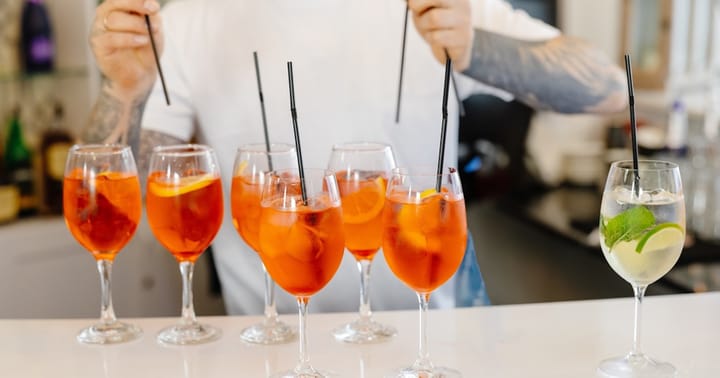
This shift matters because it redefines bar profitability. A spritz, typically made with prosecco, Aperol or Campari, and soda water, costs less to produce than a full-strength cocktail. Yet bartenders charge comparable prices. The lower production cost combined with sustained pricing creates higher margins. More importantly, customers buy more of them. A diner can consume three or four spritzes over an afternoon without reaching the alcohol load of two traditional cocktails, extending their time at the bar and their total spend.
The trend extends beyond spritzes. Low-alcohol wine cocktails, beer-based drinks, and spirit-forward cocktails with reduced pours have all gained traction. Bars report that diners, particularly younger consumers and those ordering during daytime hours, actively seek these options. The rise reflects broader consumer behavior. Health consciousness, the popularity of "sober curious" culture, and workplace productivity concerns have normalized lower-alcohol choices.
Bars have responded strategically. Many establishments now feature dedicated low-ABV sections on their cocktail menus. Others train bartenders to suggest lighter options based on time of day and customer profile. Smart operators recognize that the earlier happy hour trend feeds directly into spritz sales. When happy hour begins at 4 p.m. instead of 5 p.m., more people order before dinner rather than after work. An early drinker typically wants refreshment, not intoxication. Spritzes fit perfectly.
The timing aligns with summer seasonality. Warm weather naturally drives demand for lighter, more refreshing beverages. Spritzes, with their effervescence and citrus notes, deliver exactly that sensory experience. Bars that recognize this seasonal demand capitalize by building spritz-forward promotions and training staff to highlight these options during the peak ordering times Square's data identifies.
This trend carries supply chain implications too. Distributors report increased orders for prosecco and Italian aperitifs used in spritzes. Some bars struggle to source premium prosecco given current supply constraints. Pricing pressures follow. Yet demand remains strong enough that bartenders and owners absorb these costs while maintaining their preferred margins.
The summer spritz surge represents more than a passing fashion. It signals a permanent shift in how Americans approach drinking culture. Bars that embrace lower-alcohol options, create appealing menus, and position spritzes as premium beverages rather than budget alternatives will capture this lucrative market segment. Those that cling to traditional full-strength cocktails risk losing customers to competitors who understand that profit and pleasure no longer require high alcohol content.