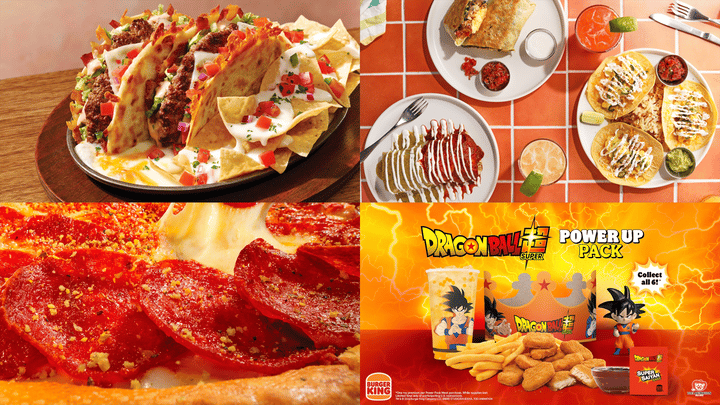
# Fast Casual Giants Race to Refresh Menus as Chains Battle for Consumer Attention
The quick-service restaurant landscape shifts again as major chains unveil fresh menu offerings designed to capture market share and combat competitive pressure from both established rivals and emerging fast-casual concepts.
Taco Bell, Popeyes, and Burger King lead this wave of innovation, each introducing products tailored to their core audiences. Taco Bell continues its strategy of limited-time offerings and customization-focused items that drive traffic during promotional windows. Popeyes, riding momentum from its successful chicken sandwich launch years ago, experiments with new proteins and flavor profiles to maintain relevance in the crowded chicken category. Burger King, facing sustained competition from McDonald's and regional challengers, develops menu items that emphasize value and distinctive flavor combinations.
Beyond the headline names, restaurant operators across the industry push experimental products onto their menus. Applebee's tests offerings that address changing diner preferences, while Chipotle leverages its customization model with new proteins or sauce variations that command premium pricing. Chili's, Denny's, and Qdoba each introduce seasonal or limited items designed to create urgency among consumers and generate social media buzz.
Papa John's enters the innovation race with new crust options or sauce additions that differentiate its pizza offerings in the delivery-dominated market. Zaxby's, a regional powerhouse in the chicken sandwich and tenders space, develops menu extensions that capitalize on its loyal customer base across the Southeast and growing footprint nationally.
This menu churn reflects deeper business realities in the restaurant sector. Consumer preferences fragment across dietary preferences, value consciousness, and cravings for novelty. Chains that remain static risk losing foot traffic to competitors perceived as fresh or innovative. Marketing teams coordinate social media campaigns around new launches to drive awareness. Supply chain managers must balance the complexity of new items against inventory costs and waste.
Menu testing also serves as a laboratory for permanent additions. Products that perform well in limited releases often earn permanent spots. Those that underperform quietly disappear, replaced by the next experimental batch.
The acceleration of menu innovation over the past five years reflects competitive intensity and data-driven decision-making. Chains now deploy technology to track which items drive profitability, which demographic groups respond to specific offerings, and which geographic markets show appetite for certain flavors or dietary claims.
For consumers, this constant refresh creates both opportunity and fatigue. Novel items provide reasons to revisit familiar chains, but endless rotation also makes it harder to build loyal attachment to signature menu items. The strategy works best when new offerings feel intentional rather than desperate, connected to the brand's identity rather than randomly chasing trends.
The stakes remain high. Menu innovation, when executed well, drives comparable-store sales growth and customer traffic. When it misses, it wastes resources and confuses brand positioning. These constant updates from Taco Bell, Popeyes, Burger King, and the broader industry reveal how essential novelty has become to quick-service restaurant survival.