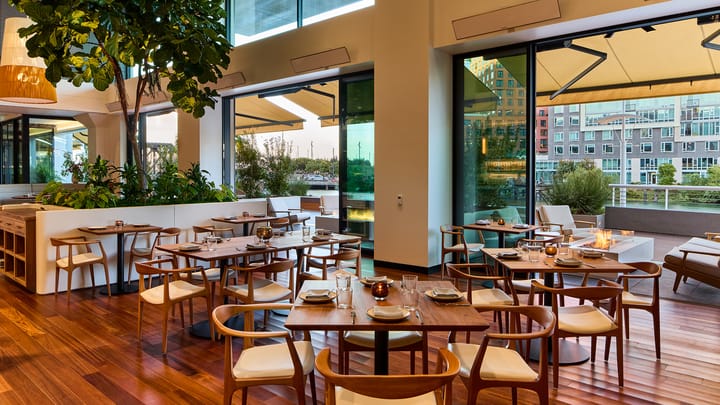
Chef Jason Halverson's Hi Neighbor Hospitality Group launches Sergeant Ma, a new waterfront dining destination in San Francisco that bridges Northern California's produce-driven ethos with Asian cooking techniques. The restaurant positions itself at the intersection of two powerful culinary currents: the region's obsession with farm-to-table sourcing and the technical precision of Asian kitchens.
Halverson, who built Hi Neighbor into a respected hospitality brand across multiple concepts, anchors Sergeant Ma's menu in seasonal ingredients sourced from the Bay Area's renowned agricultural belt. The chef channels these ingredients through Asian culinary frameworks, creating a distinct identity that avoids the generic "Asian fusion" label. Instead, the kitchen treats Asian traditions as a legitimate lens through which to interpret local produce, rather than as decoration applied to California cuisine fundamentals.
This approach reflects a maturation in how Bay Area restaurants engage with Asian food cultures. For years, fusion meant superficial collision of ingredients and techniques. Now, accomplished chefs like Halverson treat Asian culinary systems as deeply sophisticated methodologies deserving respect and commitment. The waterfront location amplifies this message. San Francisco's restaurant scene clusters heavily in specific neighborhoods. A waterfront flagship signals seriousness and investment.
The timing matters too. San Francisco's restaurant industry has cycled through contraction and recovery over the past three years. New high-profile openings from established operators like Halverson suggest confidence in the market's stability. Hi Neighbor Hospitality's track record indicates experienced execution. Halverson built a group known for consistency, thoughtful service, and ingredient focus across multiple venues. Sergeant Ma benefits from this operational backbone.
Northern California's seasonal calendar dictates much of what lands on menus from spring through fall. Spring brings shoots and early greens. Summer explodes with stone fruits, berries, and peak vegetables. Fall offers mushrooms, root vegetables, and the region's legendary apple and pear harvests. Winter flattens the palette but brings citrus and storage crops. Halverson's framework requires understanding how Asian cooking techniques enhance rather than mask these seasonal rhythms. A summer stone fruit might become a component in a miso-based preparation. Fall mushrooms could anchor a technique-forward dish drawing on Japanese or Chinese culinary language.
The waterfront setting itself carries implications. Diners expect certain things from waterfront restaurants: views, seafood-forward menus, higher price points. Sergeant Ma must navigate these expectations while staying true to Halverson's ingredient-driven vision. Bay Area diners have proven willing to pay premium prices for serious cooking. But waterfront positioning typically invites a certain conservatism. Halverson's track record suggests he'll push against that comfortable formula.
Hi Neighbor Hospitality's existing concepts provide context for what Sergeant Ma likely represents. The group operates restaurants known for ingredient sourcing discipline and staff training. These are places where the menu changes meaningfully with seasons, where suppliers matter, where kitchen technique gets attention. Sergeant Ma extends this foundation into a new neighborhood and a new culinary conversation, one that positions Asian cooking traditions not as secondary technique but as equal partner to the region's agricultural identity.
The waterfront location in San Francisco represents a significant statement from an established operator. Halverson's commitment to seasonal Northern California ingredients filtered through Asian culinary traditions suggests the Bay Area's sophisticated diners remain eager for thoughtful cooking that respects ingredients, technique, and cultural traditions equally.