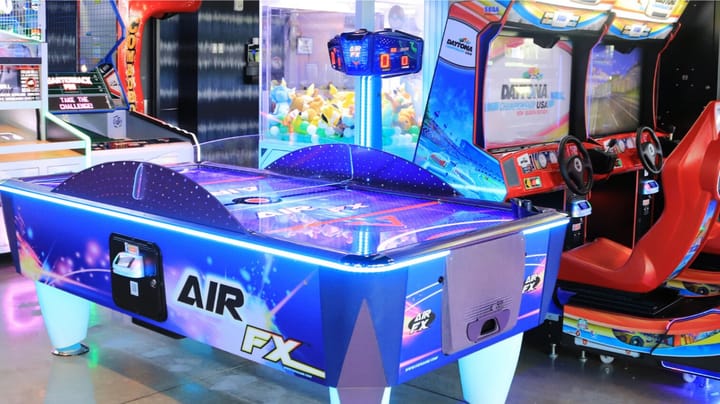
Topgolf, the golf-and-dining entertainment chain, is rolling out arcade games across most of its locations in a bid to deepen customer engagement and boost foot traffic. The expansion will introduce darts and other classic arcade offerings alongside the chain's existing golf simulators and food service.
The move reflects a broader strategy in casual dining and entertainment venues to create multipurpose destinations that appeal to wider demographics. Topgolf operates over 70 locations globally, with significant presence across North America, and serves food and beverages alongside its core golf simulation technology. By adding arcade games, the company aims to extend average visit length and create additional reasons for repeat visits beyond golf play alone.
This strategy mirrors successful tactics employed by other entertainment-focused restaurants over the past decade. Dave and Buster's built its business model around arcade gaming as a draw for food and beverage spending. Similarly, Main Event and other bowling-entertainment chains have expanded game offerings to capture wallet share from customers already on-site. The logic remains consistent: multiple entertainment activities keep guests seated longer, increase drink and food orders, and create layered revenue streams.
For Topgolf specifically, the arcade expansion addresses a operational reality in golf simulation venues. Not all visitors want to play golf for extended periods, and weather-independent entertainment options encourage group visits where preferences vary. A customer uninterested in golf simulation can occupy themselves with darts while companions play, reducing the friction that prevents mixed-preference groups from choosing Topgolf as a gathering spot.
The timing aligns with casual dining's post-pandemic recovery phase. Consumer spending on out-of-home entertainment and dining has rebounded, but venues face intense competition for discretionary dollars. Topgolf's parent company, Topgolf Entertainment, has pursued aggressive expansion since going public via SPAC merger in 2021. Additional revenue streams and extended visit duration directly support unit economics at locations already built and staffed.
The arcade games also serve as a relatively low-capital addition compared to constructing new golf bays or expanding kitchen capacity. Installing darts and classic arcade machines requires minimal infrastructure changes to existing layouts while generating incremental revenue from game play tokens and food ordering during gameplay.
This expansion carries broader implications for how entertainment venues compete. The shift toward bundled experiences rather than single-activity focus has accelerated across casual dining. Topgolf's move signals confidence in its ability to manage multiple entertainment verticals under one roof while maintaining food and beverage operations at acceptable margins.
For customers, the addition democratizes Topgolf visits. Not every guest group includes golf enthusiasts, and arcade games lower the barrier to entry for non-golfers while maintaining the venue's core identity. The strategy also addresses a known pain point in group outings where activity preferences diverge within the same party.
Installation timelines remain unclear, though the company has indicated a phased rollout across "most" locations rather than all sites simultaneously. This cautious approach allows Topgolf to measure performance impact and adjust the offering based on customer adoption rates before full network deployment.