# Frozen Yogurt, Coffee Chains, and Pizza Face Competition in Today's Quick-Service Landscape
The restaurant industry continues to shift across multiple segments, with frozen yogurt shops, coffee-and-donut chains, and pizza concepts all competing for consumer dollars in an increasingly crowded market.
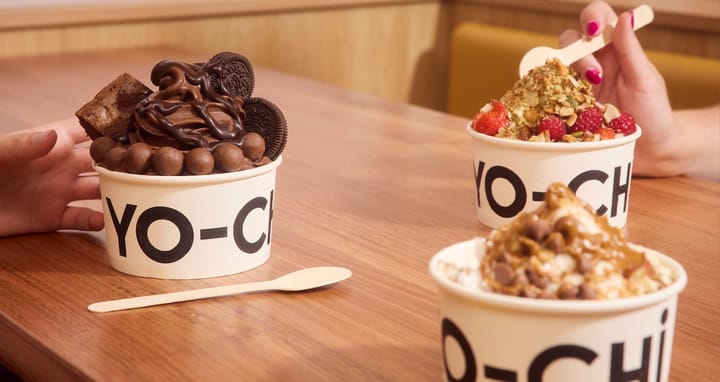
Frozen yogurt chains remain locked in a battle for relevance as consumer preferences evolve. The category once dominated by Pinkberry and YogurtLand has fragmented significantly. Chains struggle with traffic as consumers gravitate toward premium ice cream, acai bowls, and other dessert options. The froyo space demands constant menu innovation and experience upgrades to justify visits when frozen treats face stiff competition from convenience stores, independent shops, and at-home consumption.
Dunkin' continues its dominance in the coffee-and-convenience segment. The Rhode Island-based chain operates over 9,000 locations and functions as America's third-largest restaurant chain by unit count. Dunkin' balances its core coffee business with breakfast sandwiches, donuts, and beverages. The chain faces pressure from specialty coffee operators like Starbucks and Blue Bottle, plus independent cafes offering single-origin espresso and artisan pastries. Dunkin's strength lies in speed, price point, and convenience rather than craftsmanship or experience.
Peter Piper Pizza operates in the crowded pizza category alongside Domino's, Pizza Hut, Little Caesars, and Papa John's. The chain maintains roughly 500 locations concentrated in the Western United States, Arizona, and Texas markets. Peter Piper differentiates through arcade games and birthday party packages, creating a family entertainment destination rather than pure pizza delivery. This experience-based model protects against delivery-focused competitors like Domino's while targeting occasions beyond weeknight dinner orders.
These three segments reveal distinct survival strategies in quick-service restaurants. Frozen yogurt players must enhance experience or pivot toward premium positioning. Coffee-and-convenience chains like Dunkin' win through ubiquity and reliability, not innovation. Specialty pizza concepts like Peter Piper compete on experience and localization rather than national brand dominance.
Consumer behavior shifts demand that chains understand their core strength. Dunkin' owns the morning commute. Peter Piper owns the family celebration. Froyo operators search for their defining occasion.
The Restaurant Daily podcast from Nation's Restaurant News tracks these dynamics across hundreds of brands, covering everything from unit economics to consumer sentiment. For operators and investors, understanding category competition shapes strategic decisions around expansion, menu development, and positioning in a market where convenience alone no longer guarantees success.