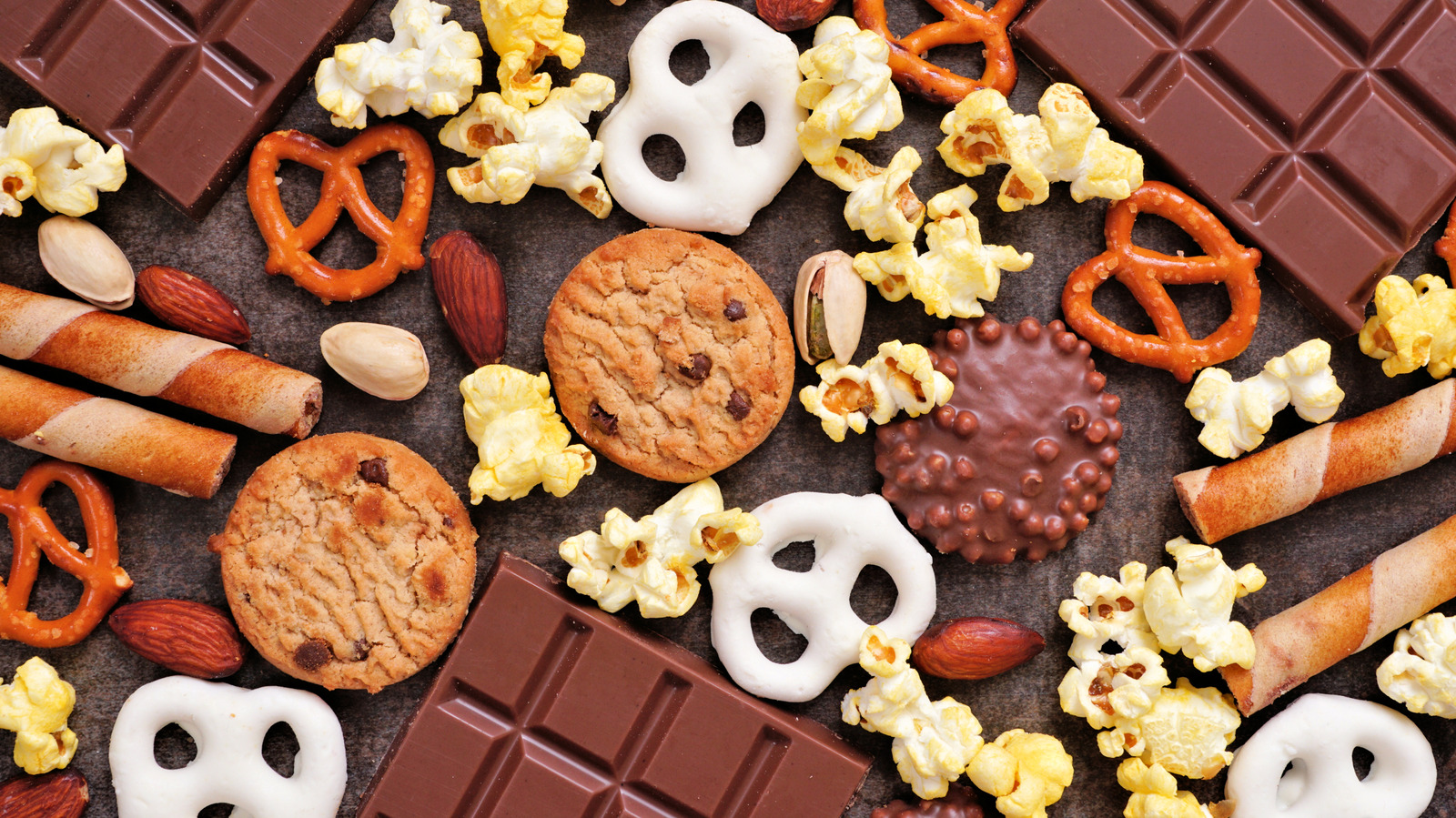
# Elevate Movie Night: Fourteen Candy Bars Transform Plain Popcorn Into Gourmet Snacking
The Daily Meal has identified fourteen candy bars that dissolve, crumble, or layer perfectly into popcorn for a more indulgent viewing experience. This trend reflects a broader shift in American snacking habits, where consumers now blend textures and flavors to create hybrid treats at home rather than purchasing pre-made combinations.
The concept works because melting chocolate, toffee, and caramel adhere to popcorn's irregular surface, coating kernels unevenly and creating pockets of concentrated sweetness. Candy bar fragments like Snickers, Reese's, and Butterfinger offer textural contrast. Hard-shell chocolates crack under tooth, while nougat-filled options soften slightly when warmed by fresh popcorn. Salt from the popcorn cuts through sugar fatigue, extending snacking sessions without the cloying aftertaste of pure candy consumption.
This mixing strategy parallels the rise of "snack engineering" seen in high-end retail snacking. Brands like Popchips and SkinnyPop have dominated grocery shelves by positioning popcorn as a canvas for flavor experimentation. Home cooks now adopt the same methodology, treating their pantry like a test kitchen.
The candy bar approach differs from traditional popcorn toppings like butter, cheddar, or caramel sauce. Bars maintain structural integrity longer, require no heating equipment, and arrive pre-portioned. A single Snickers bar, crumbled directly into a warm bowl, delivers targeted flavor bursts rather than uniform coating. This unevenness appeals to snackers who prefer variation bite to bite.
Cost-consciousness also drives adoption. A single standard-size candy bar retails for under two dollars and can flavor an entire large-batch bowl. Purchasing specialty popcorn seasonings or gourmet toppings often exceeds this price point. Home snacking during film season accounts for significant household spending, making budget hacks particularly attractive.
The trend gained momentum during the pandemic when home entertainment replaced theater visits. Consumers replicated cinema concessions in living rooms but innovated beyond standard offerings. Social media platforms documented these experiments, creating viral moments that normalized candy bar popcorn combinations among younger demographics.
Candy manufacturers have begun responding. Some brands now produce smaller "snacking" versions of their bars specifically designed for mixing. Retailers stock larger multi-packs at reduced per-unit costs, acknowledging that consumers purchase multiple bars for single snacking occasions.
This practice reflects changing attitudes toward indulgence and portion control. Rather than consuming an entire candy bar independently, mixing it into popcorn distributes sweetness across a larger volume, allowing consumers to feel more restrained while maintaining flavor satisfaction. The popcorn acts as a vehicle for moderation.
Regional preferences influence bar selection. West Coast snackers favor chocolate-peanut combinations like Reese's. Southern consumers gravitate toward caramel and nougat blends. Urban markets show higher adoption of premium chocolate bars from brands like Lindt and Ghirardelli, while suburban households prefer mass-market classics.
Movie night snacking represents one of the few occasions where processed convenience food carries social legitimacy. Friends and family gather specifically to consume these combinations, transforming solitary snack consumption into shared ritual. The candy bar trend taps into nostalgia while offering perceived sophistication through customization and intentional pairing.