# Store-Bought French Dressing Rankings Reveal What Works in a Bottle
French dressing occupies a peculiar place in American pantries. It bears the name of a cuisine famous for vinaigrettes and classical technique, yet most bottled versions taste nothing like what you'd find in Paris. They're sweeter, thicker, and rely on tomato paste for color and body. This disconnect has spawned decades of culinary debate, but The Daily Meal tackled a simpler question: which supermarket bottles actually taste good?
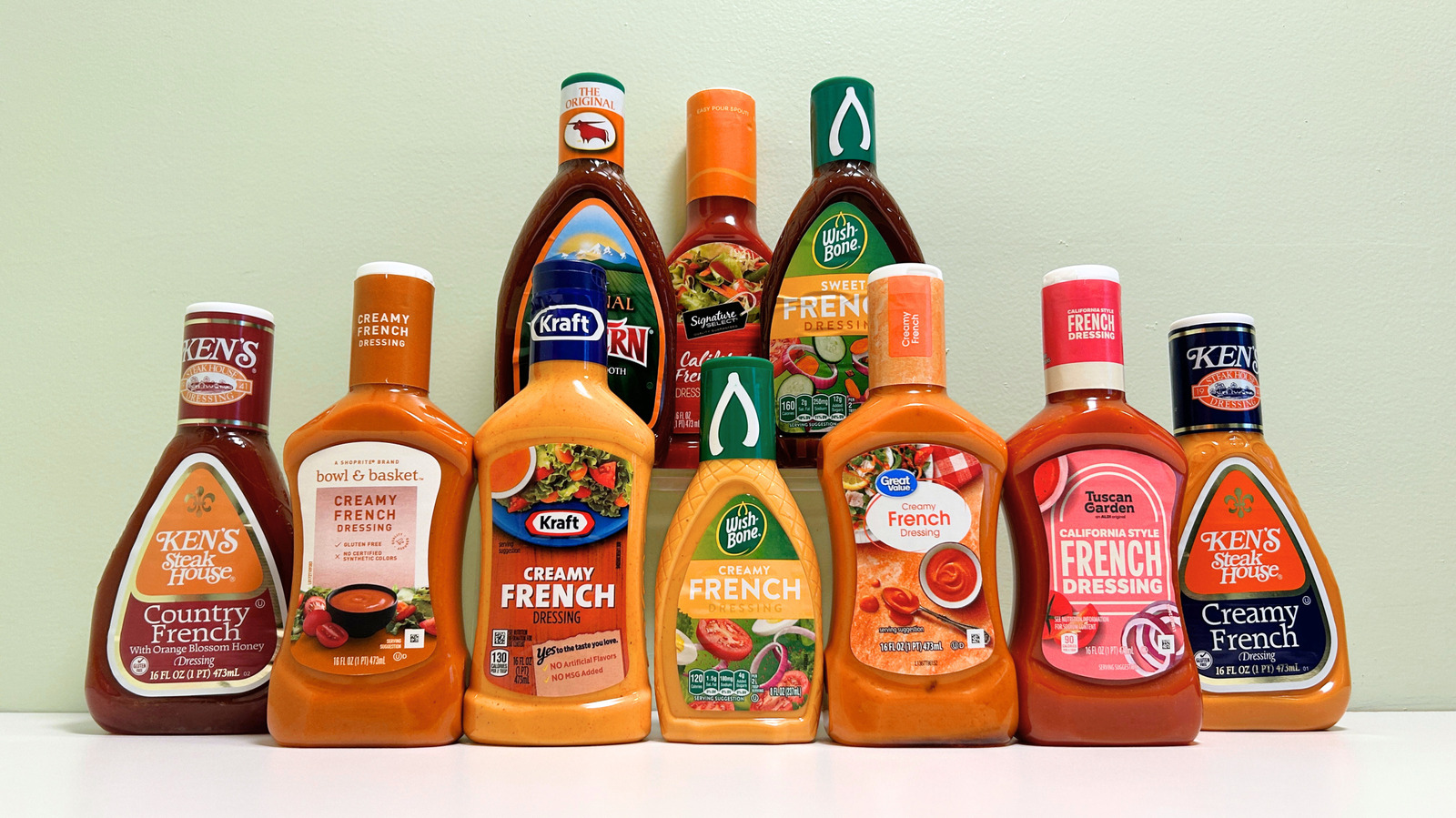
The publication taste-tested ten store-bought French dressings, ranking them from worst to best. The exercise reveals what separates a competent bottled dressing from one you'll actually want to pour over salads, use as a marinade, or drizzle over roasted vegetables.
Most commercial French dressings share DNA. They start with oil and vinegar, add ketchup or tomato paste for that signature russet hue, then pile on sweeteners like high-fructose corn syrup or sugar. Emulsifiers and stabilizers keep everything suspended. Paprika, garlic powder, and onion powder round out the spice profile. The formula prioritizes shelf stability over flavor complexity, which means most bottles taste relatively similar.
What separates winners from duds comes down to balance. Does the vinegar bite cut through the sweetness, or does sugar dominate? Are the spices noticeable, or buried under artificial flavor notes? Does the bottle deserve real estate in your fridge, or will it sit unopened for months until you toss it?
The ranking exercise serves a practical purpose. Most home cooks don't think critically about salad dressing choices. You grab whatever was on sale or whatever your family has always bought. But a well-made French dressing costs the same as a mediocre one. Knowing which brands deliver flavor changes what you actually use them for.
French dressing remains polarizing among food snobs. Serious cooks dismiss it as pedestrian, preferring to shake their own vinaigrette in seconds. Regional preferences matter too. French dressing sells better in the Midwest than on either coast. It pairs naturally with wedge salads, iceberg lettuce, and diner-style plates. Some people grew up eating it. Others consider it a relic of 1950s cuisine.
Yet bottled dressings serve a genuine need. Not everyone has time to emulsify oil and vinegar. Some people prefer consistency. Others stock multiple dressings for different meals. A good store-bought option means you're more likely to actually eat salad, which beats perfect homemade dressing you never make.
The Daily Meal's ranking methodology matters here. Taste tests require clear criteria: appearance, aroma, texture, and flavor profile. Does the dressing coat the palate or slide off? Does it taste fresh or artificial? Do the spices taste real or like powder? These evaluations cut through marketing claims and fancy labels.
For home cooks juggling weeknight dinners and weekend meal prep, knowing which French dressing actually tastes good removes friction from food decisions. A top-ranked bottle from this ranking becomes a reliable staple, something you can trust for quick lunches or to revive a tired salad. It's not haute cuisine, but it's useful knowledge that improves what you eat.