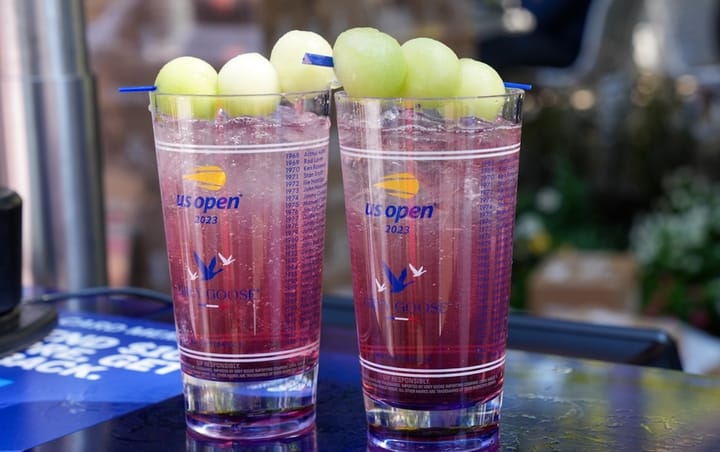
The US Open's Honey Deuce cocktail has become so ubiquitous this summer that venues across New York are racing to launch their own interpretations of the signature drink. The beverage, traditionally made with vodka, elderflower liqueur, honey, lemon juice, and a splash of champagne, originated as an official partner drink for the tennis tournament and has transcended its courtside origins to become a broader cultural phenomenon.
Dunkin', the coffee chain with deep roots in the Northeast, jumped into the trend by offering its own version, signaling how thoroughly the Honey Deuce has penetrated mainstream food and beverage culture. What began as a premium cocktail served at Arthur Ashe Stadium has become accessible across casual and fast-casual dining, from neighborhood bars to quick-service chains.
This democratization of the Honey Deuce reflects a broader pattern in food service. Major sporting events and entertainment venues often launch signature beverages that restaurants and bars nearby attempt to capitalize on during peak seasons. The difference here lies in the drink's adaptability. The honey-forward profile, balanced acidity from lemon, and subtle floral notes from elderflower create a framework that invites experimentation without losing the drink's essential character.
Establishments across New York have tweaked the formula in various ways. Some swap vodka for gin or bourbon, others adjust honey levels or substitute different citrus varieties. A few venues have added seasonal twists, incorporating ingredients like lavender or peach to appeal to different palates. The champagne component provides another variable. Budget-conscious operations may use prosecco or skip the sparkle altogether, while premium bars double down on vintage champagne to justify higher price points.
The timing matters significantly. Tennis fans visiting the tournament during late August and early September arrive with disposable income and tournament-induced thirst. Local hospitality venues understand that capturing even a fraction of that traffic during peak weeks can pad annual revenue. Marketing becomes simple. A chalkboard sign reading "Honey Deuce" or "Our Take on the Honey Deuce" requires minimal explanation for tennis-aware customers.
This strategy also reveals how food service operators think about seasonality and cultural moments. The US Open runs for two weeks. Smart restaurants recognize that a signature cocktail tied to a specific event creates urgency. People order them not just because they taste good, but because they carry social currency. Posting a photo of your Honey Deuce variation on social media becomes a form of participation in the tournament itself, even for those watching from afar.
The Honey Deuce's reach beyond premium cocktail bars into Dunkin' represents a tipping point. Once a major brand extends a trend downward into lower price brackets and faster service models, the phenomenon has achieved mainstream status. Dunkin's version likely features simplified preparation, lower ingredient costs, and accessibility that appeals to customers seeking the flavor profile without the premium cocktail markup.
This expansion carries risks for originality and brand association. As more venues release interpretations, the drink loses its cachet as something exclusive to the tournament. Yet it gains something different: genuine cultural adoption. The Honey Deuce has moved from novelty to template, from tournament gimmick to a flavor profile that stands on its own merit across vastly different dining contexts and price points.