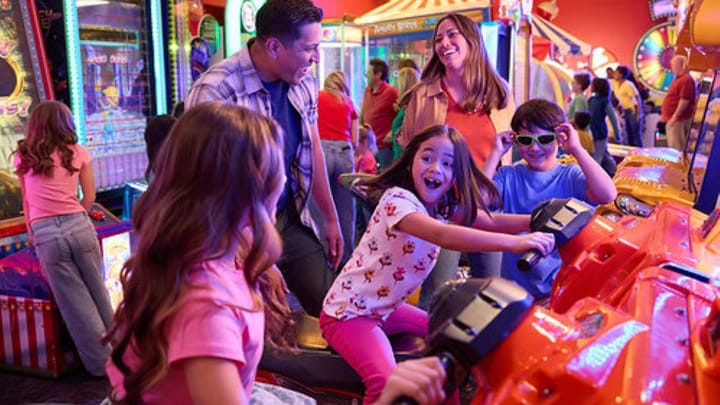
Peter Piper Pizza accelerates its pivot toward entertainment-driven dining by deploying $1 million to refresh arcade offerings across its locations. The chain will install more than 100 new games and specialized "clawcade" machines, those hybrid claw-game-meets-arcade contraptions, by month's end.
The investment reflects a broader industry shift. Family-focused casual dining chains face margin pressure from labor costs, food inflation, and changing consumer habits. Games and entertainment revenue streams function as profit multipliers, keeping families seated longer while generating secondary income that doesn't depend on kitchen labor. Peter Piper Pizza, which operates roughly 140 locations primarily in the Southwest and Mid-Atlantic regions, recognizes this opportunity.
Clawcade machines occupy a sweet spot in the arcade economy. They generate revenue through plays while requiring minimal staffing compared to traditional sit-down gameplay. The machines also appeal across age groups, from small children fascinated by grabbing toys to teenagers seeking novelty. For a pizza chain, this extends the "experience" beyond the meal itself, justifying higher per-visit spending and longer dwell times that benefit concession sales.
This move comes as other family dining chains make similar pivots. Dave and Buster's thrives on a gaming model. Main Event and similar entertainment centers bundle food with arcade play as their primary draw. Peter Piper Pizza positions itself between casual pizza delivery and full entertainment destination, capturing families who want both a meal and activities without leaving one venue.
The timing matters. Post-pandemic consumer behavior shows parents seeking "value experiences" where children play and families spend several hours together. A $50 pizza-and-games outing competes directly with movie tickets, streaming subscriptions, and home entertainment. Arcade revenue per square foot typically outperforms food revenue in high-traffic locations, making this capital deployment rational even if it requires space reallocation away from dining areas.
Peter Piper's parent company, RAVE Restaurant Group (which also owns Rave Motion Pictures locations), understands entertainment economics. This $1 million arcade refresh represents confidence in the business model and suggests that quarter-over-quarter data shows entertainment-heavy locations outperform traditional pizza-focused stores.
The hundred-plus game addition is substantial. Most franchisees operate 15 to 30 arcade machines per location currently. This investment nearly doubles that footprint on average, signaling a complete repositioning of store layouts. Clawcade machines specifically target merchandising revenue, where Peter Piper purchases bulk inventory at wholesale prices and captures 40 to 50 percent margins on each play.
For franchisees, this means capital investment in equipment, but corporate messaging likely emphasizes the revenue upside. Historical data from entertainment-forward pizza chains shows gaming revenue can represent 20 to 30 percent of total location profit when properly executed.
This arcade refresh essentially signals that Peter Piper Pizza no longer competes primarily as a pizza brand. It competes as a family entertainment venue that serves pizza. That distinction shapes everything from site selection to staffing models to marketing spend. The $1 million deployment tests whether that repositioning translates to sustainable unit economics across a mature franchise system.