# Fast Food Chains Race to Capture Consumer Attention with Limited-Time Offerings
The quick-service restaurant sector enters another cycle of menu churn, with major chains deploying new items across breakfast, lunch, and dinner dayparts to drive foot traffic and social media buzz. McDonald's, Burger King, and Sonic lead the charge, each unveiling products designed to differentiate their offerings in an increasingly crowded marketplace.
McDonald's continues its pattern of regional and national test launches, rolling out items engineered to boost daypart performance and compete for wallet share against both traditional competitors and emerging fast-casual concepts. The Golden Arches strategy hinges on limited-time offerings that create urgency and encourage repeat visits from loyalty program members.
Burger King takes aim at value-conscious consumers with its own innovations, capitalizing on the chain's flame-grilled positioning. The Whopper innovator invests in menu variety to retain market share against McDonald's dominance while addressing changing consumer preferences around proteins, vegetables, and preparation methods.
Sonic, the drive-in chain operating 3,500+ locations, leverages its unique ordering model to test items that larger competitors cannot execute as efficiently. Drive-through theater experiences and carhop service create differentiation opportunities for limited-time promotions that generate Instagram-worthy moments.
Beyond the burger-focused majors, Condado Tacos experiments with menu expansion to strengthen its regional footprint. The fast-casual taco concept focuses on customization and ingredient quality to justify premium pricing against quick-service alternatives.
Donatos Pizza, operating primarily in the Midwest and Mid-Atlantic regions, pursues innovation within the casual dining pizza category. The chain targets delivery and carryout occasions with offerings designed to compete against both national chains and local pizzerias.
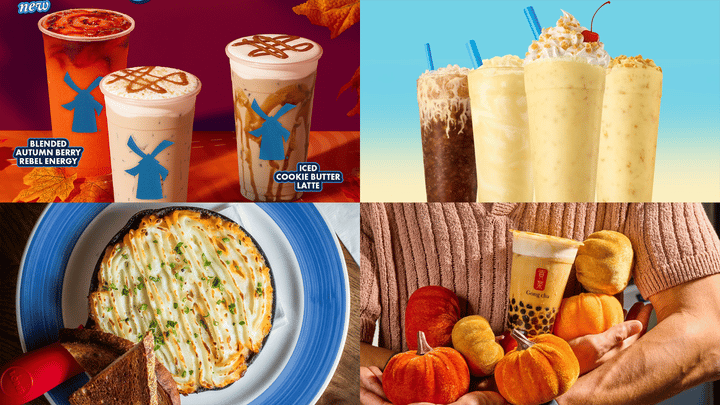
Dutch Bros, the rapidly expanding coffee chain, continues rapid menu development following its 2021 IPO. The drive-through coffee specialist targets the morning daypart and afternoon occasions with beverages combining espresso, cold brew, and energy-drink positioning.
Smoothie King pursues health-focused innovation within the better-for-you category. The smoothie chain positions new items around functional ingredients, protein additions, and reduced-sugar formulations to appeal to wellness-conscious consumers.
White Castle, the slider specialist with century-old brand equity, tests menu extensions beyond its core 2-ounce beef sandwiches. The chain explores chicken, plant-based proteins, and side dishes to increase average check and drive incremental occasions.
This menu innovation landscape reflects broader industry dynamics. Consumer attention spans compress as options proliferate. Limited-time offerings create scarcity and urgency. Social media amplifies novel products. Loyalty program data guides development. Seasonal trends dictate timing.
Chains allocate R&D resources toward products addressing evolving dietary preferences, including plant-based proteins, global flavor profiles, and functional ingredients. The cost of new product failure remains high, making test markets essential before rollout.
Distribution advantages determine winners. McDonald's and Burger King leverage scale across thousands of locations. Sonic's drive-through model suits certain products. Regional players like Donatos compete through localized relevance. Emerging concepts like Condado and Dutch Bros build momentum through disciplined expansion.
Consumer fatigue sets in when novelty becomes noise. Chains that align menu innovation with brand essence and consumer occasion rather than chasing trends maintain loyalty. The chains executing most successfully balance innovation velocity with operational simplicity and ingredient consistency.