# Rising Beef Prices Squeeze Papa John's and Wingstop Margins as QSR Chains Navigate Cost Pressures
The quick-service restaurant sector faces mounting pressure as beef prices continue their upward climb, forcing major chains like Papa John's and Wingstop to reassess pricing strategies and menu composition. Both companies operate in categories heavily dependent on protein costs, making them particularly vulnerable to commodity market swings that show no immediate signs of reversing.
Papa John's, the nation's third-largest pizza delivery chain, sources beef for its specialty pizzas and Italian meats. The chain has historically maintained margins through operational efficiency and volume. Rising beef futures prices complicate that math. A jump in wholesale beef costs directly flows to franchise operators who prepare food, squeezing their already-thin profit margins that typically hover between 6 and 9 percent for delivery pizza franchises.
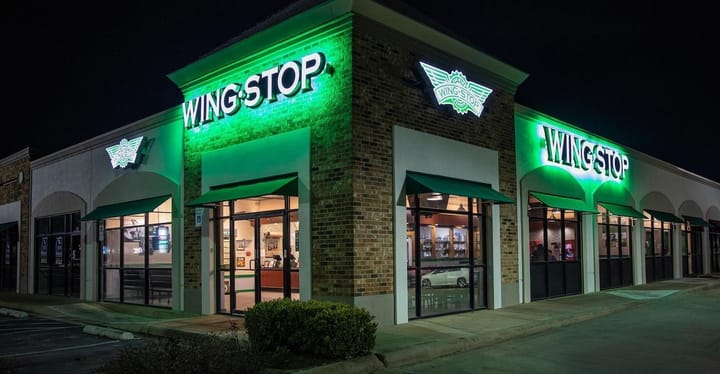
Wingstop faces even sharper pressure. The Dallas-based chain built its empire on bone-in chicken wings, but beef appears in menu items like sandwiches and sides. More critically, Wingstop's entire value proposition rests on aggressive unit economics and speed. Any increase in protein costs forces difficult choices: absorb costs and compress margins, or raise menu prices and risk traffic decline.
Beef prices have climbed due to multiple headwinds. Drought conditions in Texas and the Southern Plains reduced cattle herds to multi-decade lows. Feed costs remain elevated. Processing capacity constraints persist even as production slowly recovers. The futures market reflects genuine supply tightness, not speculation. Restaurant operators cannot wait this out.
Quick-service chains face constraints traditional full-service restaurants do not. They operate on established price points consumers expect. A $6.99 wing basket cannot suddenly become $8.49 without testing loyalty. Delivery platforms add another layer of complexity. DoorDash and Uber Eats take 15 to 30 percent commissions, leaving limited room for price increases that keep customers ordering.
Some operators pursue menu engineering solutions. Wingstop could expand boneless wing offerings, which use cheaper chicken breast. Papa John's might emphasize vegetarian and specialty pizzas with lower protein ratios. Others reduce portion sizes incrementally, hoping customers notice less than outright price hikes.
Franchise systems create additional tension. Corporate papa John's collects royalties regardless of franchisee profitability. But sustained franchisee losses trigger resentment and operational decline. The company must balance shareholder expectations against partner viability, a calculation that becomes harder when costs spike beyond operators' control.
Industry veterans expect beef prices to gradually moderate as herds rebuild and weather patterns stabilize. That relief likely comes in 2025 or beyond, leaving 2024 margins under pressure. Companies that navigate this period through smart menu management and selective price increases emerge stronger. Those that resist pricing changes risk squeezing franchisees until operators reduce service quality or close locations.
The current environment reveals structural vulnerabilities in QSR operations. Thin margins offer little buffer for commodity shocks. Delivery dependency locks chains into unfavorable commission structures. Franchise models distribute risk downward, protecting corporate revenue but destabilizing the operator base. These dynamics matter beyond Papa John's and Wingstop. Every chain dependent on beef faces the same calculus.