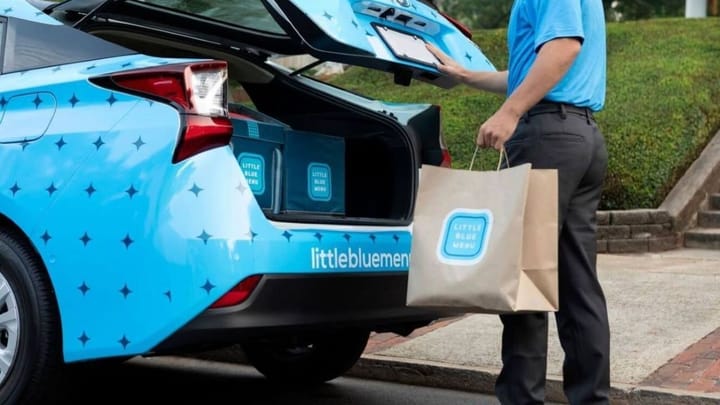
Chick-fil-A closes the final chapter on its Little Blue Menu experiment. The College Park, Maryland location, which opened in 2023, will convert to a traditional Chick-fil-A restaurant, marking the end of an ambitious two-year pilot program that began in Nashville in 2021.
The Little Blue Menu represented a departure from Chick-fil-A's core identity. Instead of the chicken sandwiches and waffle fries that define the brand, the concept emphasized fresh ingredients and seasonal menus. It targeted a different customer base: diners seeking elevated quick-service dining rather than drive-through convenience. The Nashville prototype generated early curiosity, but expanding the model proved challenging.
Chick-fil-A tested the concept in a market with different demographics and dining habits than its traditional locations typically serve. College Park, home to the University of Maryland, offered a younger, more experimental audience. Yet even in this favorable environment, the Little Blue Menu failed to gain traction. The company made the business decision that the concept did not align with what customers wanted or what the brand could sustain at scale.
This failure illustrates a broader truth about restaurant chains: innovation demands more than good intentions. Chick-fil-A built its empire on consistency and operational excellence around a narrow, focused menu. The Little Blue Menu asked customers to accept a different value proposition. It asked franchisees to operate differently. It demanded separate training, supply chains, and marketing strategies.
The fast-casual dining space already features entrenched competitors like Sweetgreen, Cava, and local farm-to-table operators. These restaurants have built loyal followings by authentically committing to seasonal menus and ingredient sourcing. Chick-fil-A, despite its resources and brand loyalty, could not compete in a category that requires different DNA.
The conversion back to a traditional format does not signal weakness at Chick-fil-A. The chain remains one of America's most profitable quick-service restaurants, with consistent growth and strong unit economics. Rather, it reflects disciplined capital allocation. Chick-fil-A recognized that it performs best within its defined lanes: drive-through service, limited menu, operational efficiency, and chicken-focused offerings.
Other chains have made similar pivots. Panera Bread experimented with fast-casual concepts that diverted from its core identity before refocusing on what made the brand successful. Chipotle, conversely, built its entire model on customizable, fresher ingredients from day one, making consistency in that approach central to its brand promise.
For Chick-fil-A customers, nothing changes. The College Park location will return to serving the familiar menu millions know and expect. For the chain's leadership, the message is clear: growth comes from deepening excellence in your core business, not diluting it with adjacent concepts that compete with your own strengths.