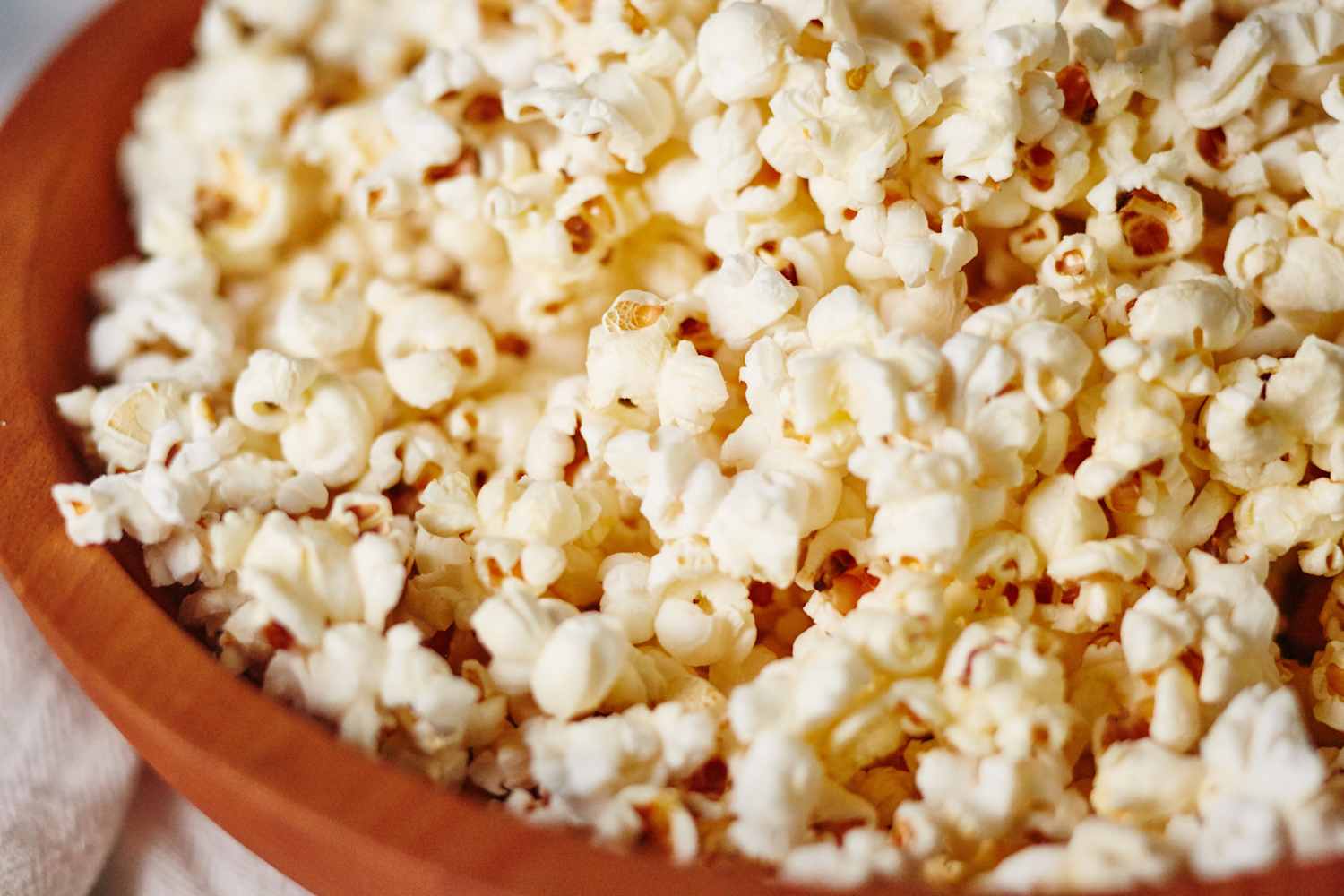
Pop Secret has entered the ready-to-eat snacking category with its first convenience-focused popcorn line, eliminating the microwave step entirely from the traditional movie-night ritual. The new Ready-to-Eat popcorn arrives pre-popped and seasoned, requiring consumers only to open the bag and eat. No heating. No burnt kernels charring in the microwave. No lingering kitchen odor.
The launch signals Pop Secret's pivot beyond its core microwave popcorn business, where the brand built its reputation with distinctive yellow steam-venting bags. The company recognizes shifting consumer behavior toward grab-and-go snacking and convenience foods that require zero preparation. This move positions Pop Secret directly against competitors like Smartfood, Seapoint Farms, and store-brand ready-to-eat popcorn offerings already saturating the snacking aisle.
Microwave popcorn remains a $2.2 billion category in North America, but ready-to-eat snacks have grown faster over the past five years as consumers prioritize convenience and minimal cleanup. Pop Secret's entry into this space reflects broader industry trends. Brands increasingly recognize that modern snackers want instant gratification. The friction of waiting three to four minutes for popcorn to pop, combined with the genuine risk of burnt bags and unpleasant kitchen smells, creates abandonment opportunities for competitors offering immediate satisfaction.
Ready-to-eat popcorn also attracts a different consumption occasion. Microwave popcorn typically centers on movie night or planned snacking at home. Ready-to-eat versions work for office breaks, car snacking, lunchbox additions, and on-the-go situations where accessing a microwave isn't realistic. Pop Secret's entry expands the brand's addressable market significantly.
The move carries production advantages too. Pre-popped, shelf-stable popcorn operates on different supply chain economics than the microwave version. Pop Secret can leverage existing manufacturing infrastructure while adding new production lines for the ready-to-eat category. Distribution challenges differ markedly. Ready-to-eat bags compete for shelf space in different sections. Retailers place microwave popcorn near chips and crackers in some stores, but ready-to-eat versions occupy prime real estate alongside potato chip brands and other single-serve snacks.
Flavor differentiation becomes essential in ready-to-eat popcorn because consumers can assess visual appeal and aroma before purchase. Pop Secret's existing flavor portfolio from its microwave line (butter, white cheddar, caramel, and others) transfers relatively easily to the new format, though ready-to-eat execution demands different seasoning approaches. Uniform coating matters more when popcorn sits in a bag without active heating to distribute flavoring.
Pricing strategy will determine success. Ready-to-eat popcorn typically costs more per ounce than microwave versions due to added manufacturing and convenience premiums. Pop Secret must balance margin expectations against consumer willingness to pay for time savings. Younger consumers and busy professionals likely accept higher per-unit costs for the elimination of microwave time. Value-conscious shoppers may resist.
Pop Secret's timing coincides with continued snack aisle consolidation. Frito-Lay's dominance in salty snacks creates constant pressure for differentiation and category expansion. Pop Secret's owner PepsiCo views popcorn as a growth opportunity distinct from traditional chip categories. The ready-to-eat launch represents the brand's acknowledgment that convenience and preparation speed now matter as much as taste when competing for snacking occasions.