# Fast-Casual Giants Plot Growth While California Pizza Kitchen Gets Experimental
Taco Bell is banking on nostalgia to drive traffic. The Yum Brands subsidiary has resurrected menu items from 2016, betting that customers remember and crave those discontinued offerings. The move reflects a broader strategy in quick-service dining: limited-time offers tied to specific time periods can generate urgency and pull lapsed customers back through the door. Taco Bell tests this playbook regularly, and 2016 throwbacks suggest the chain believes enough time has passed for millennial and Gen X diners to feel genuine fondness for items they may have forgotten.
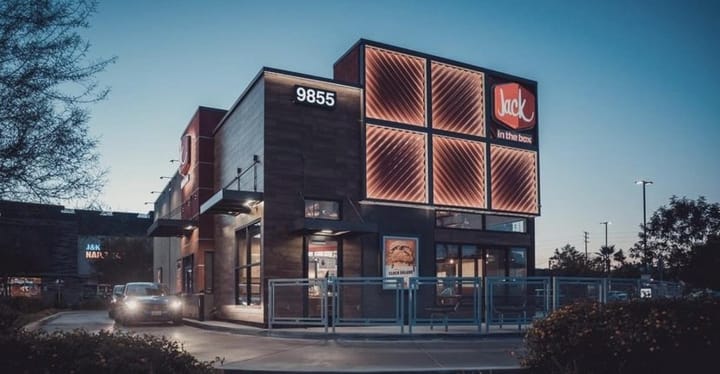
Meanwhile, Jack in the Box has named an heir apparent to its chief executive role. The appointment of a CEO-in-waiting signals operational stability and gives investors confidence in leadership continuity. Jack in the Box operates over 2,200 locations and competes directly with Taco Bell in the value-focused fast-food segment. Naming a successor ahead of time allows the current executive to mentor the incoming leader and smooth the transition, a practice more common in mature restaurant companies navigating succession planning carefully.
Chipotle, the fast-casual burrito and bowl giant, is targeting Gen Alpha, the generation born after 2012. The chain recognizes that younger consumers will soon drive dining decisions and brand loyalty, making early engagement critical. This positioning reflects how restaurant chains now think generationally, not just demographically. Getting Gen Alpha customers comfortable with Chipotle's menu and values before competitors do builds lifetime value and cultural relevance.
California Pizza Kitchen, known for its wood-fired pizzas and California-inspired toppings, is experimenting with vending machines. The move slots into a larger retail trend where quick-service concepts test unmanned, grab-and-go formats to expand beyond traditional restaurant footprints. Vending machines require minimal labor and can occupy mall corridors, office buildings, and transit hubs where full locations cannot fit. For California Pizza Kitchen, machines represent a low-risk way to test new geographic markets and boost incremental revenue.
These four moves reveal the strategic pressures reshaping restaurant growth. Traffic remains tight, so chains either innovate formats (vending, smaller footprints), rebuild loyalty through memory and nostalgia, or plant flags with younger demographics before competitors do. Succession planning at Jack in the Box underscores that profitability increasingly depends on operational excellence and stable leadership, not flashy menu drops alone.
Quick-service and fast-casual chains face a consumer spending environment where discretionary dining has tightened. Menu nostalgia works because it reactivates existing brand affinity without requiring innovation risk. Gen Alpha targeting reflects long-term thinking; chains know today's eight-year-olds will have decades of purchasing power ahead. Vending machines and other unmanned formats lower the unit economics barrier, allowing concepts to reach customers who might never visit a full restaurant.
The restaurant industry's next phase will reward companies that balance tradition with innovation, succession stability with creative growth, and broad appeal with generational specificity. These four moves from major players show the playbook taking shape across the sector.