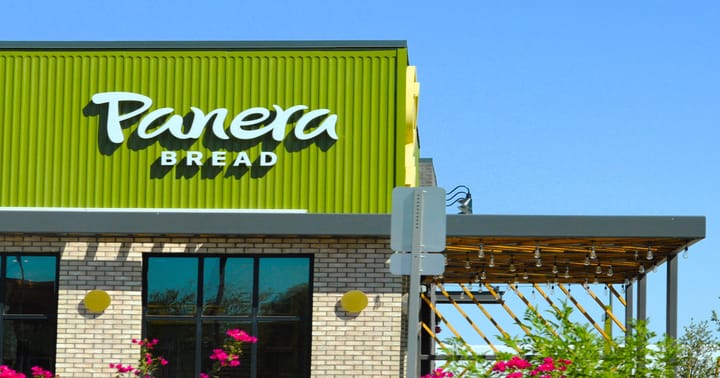
Panera Bread is betting that a complete overhaul of its loyalty program will deepen customer engagement and drive repeat visits to its nearly 2,100 U.S. locations. The St. Louis-based chain has replaced its previous model with a new points-based tiered system designed to reward customers with greater flexibility and clearer paths to benefits.
The restructured program abandons the old framework in favor of accumulated points that customers earn on every purchase. Members now progress through distinct tiers, each unlocking enhanced rewards and exclusive perks. The chain frames this shift as a move toward transparency. Rather than opaque reward mechanics that confuse loyalty members, Panera now displays how many points each transaction generates and what those points translate into at redemption.
This pivot reflects broader industry trends reshaping how fast-casual restaurants retain customers. Chipotle Mexican Grill, Starbucks, and Chick-fil-A have all invested heavily in sophisticated loyalty ecosystems that gamify spending and create psychological incentives for frequency. Panera's new program competes directly with these models by offering choice in how members spend their accumulated value instead of rigid reward tiers.
The fast-casual segment has grown increasingly competitive as restaurant operators fight for wallet share against both traditional QSR chains and emerging ghost kitchens. A stronger loyalty program directly addresses this pressure. Panera's previous loyalty system, while effective, lacked the aspirational tier structure that other major chains had perfected. The tiered approach now creates status markers. Higher-tier members receive priority perks, seasonal bonuses, and exclusive menu access, encouraging customers to spend more frequently to climb tiers.
From a business standpoint, the program generates valuable first-party data on customer behavior. Every point transaction feeds Panera's understanding of purchasing patterns, meal preferences, and daypart distribution. This intelligence informs menu development, marketing campaigns, and operational scheduling across locations.
The chain also positions points as a flexible currency. Rather than forcing customers into predetermined reward tiers, members can mix redemptions. A customer might use accumulated points to cover a full meal one week or split them across multiple purchases to get percentage discounts. This flexibility research shows increases perceived value compared to traditional buy-ten-get-one free models.
Panera's timing matters. The casual dining and fast-casual segments experienced pandemic-driven volatility, and many chains have since prioritized customer retention as a lower-cost alternative to acquisition. A revamped loyalty program addresses this directly by making existing customers feel recognized and rewarded. The points-based system also encourages app usage, which channels more orders through Panera's digital ecosystem and generates higher-margin revenue streams.
The rollout suggests Panera recognizes that loyalty in fast-casual dining now requires active engagement strategies. Passive programs that simply track purchases no longer compete. The new tiered points system signals that Panera intends to recapture customers who may have drifted to competitors and to cement relationships with frequent visitors. Whether this program successfully converts casual visitors into loyal tier-climbing members will determine its competitive impact in an increasingly crowded fast-casual marketplace.