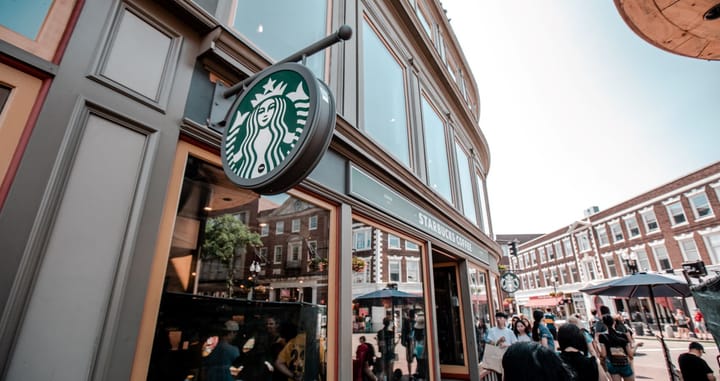
Starbucks reported record-breaking weekend sales across its North American company-operated stores, driven largely by the return of its viral Unicorn Frappuccino promotion. The coffee giant achieved its strongest weekend sales period in company history, signaling the enduring power of limited-time novelty beverages to drive foot traffic and revenue.
The Unicorn Frappuccino, a pink and blue layered drink topped with whipped cream and a sprinkle of colorful magic dust, became a phenomenon when Starbucks first introduced it in 2017. The drink generates intense social media buzz, with customers posting photos of the Instagram-friendly beverage across platforms. This weekend rerelease tapped into established consumer appetite for collectible, photogenic products that drive repeat visits and impulse purchases.
The data underscores a retail truth that Starbucks has mastered over decades. Scarcity and seasonality create urgency. When customers know a product returns for a limited window only, they accelerate purchasing decisions. Weekend traffic concentrates consumers in stores, and a novelty drink serves as the primary draw rather than a coffee refill.
Starbucks operates approximately 9,000 company-owned locations in North America, distinct from its licensed stores in grocery chains and airports. Company-operated stores generate higher margins than licensed partnerships, making these weekend sales figures particularly valuable to the bottom line. The chain's ability to generate record traffic during a specific promotional window demonstrates sophisticated inventory management, marketing timing, and supply chain coordination across thousands of locations simultaneously.
The Unicorn Frappuccino's success also reflects broader industry trends. Coffee chains increasingly rely on beverage innovation and theatrical presentation to compete in a crowded market. McDonald's, Dunkin, and regional players all launch limited-edition drinks to capture consumer attention. Starbucks maintains advantages through brand scale and social media magnetism, but the competition for novelty-driven sales grows fiercer annually.
The promotional approach carries risks. Drink complexity increases operational burden on baristas already managing high-volume weekend rushes. Quality consistency suffers under pressure, potentially damaging the customer experience despite strong sales numbers. Some customers express frustration over elaborate, heavily sweetened beverages displacing classic espresso drinks from marketing emphasis.
Starbucks' reliance on limited-time offers also raises questions about long-term customer loyalty. Does the Unicorn Frappuccino bring back lapsed customers who stick around, or does it pull existing customers forward in their purchasing calendar? Does a customer who visits twice for Unicorn drinks become a regular, or do they return to competitor chains once the novelty expires?
For the company, this weekend performance validates the strategy. Marketing budgets funnel toward social media amplification and influencer partnerships that make these drinks unmissable events. Supply chains stockpile ingredients in preparation. Barista training emphasizes speed over craftsmanship during peak periods.
The record-setting weekend reflects how modern consumer behavior intersects with retail strategy. A single product release, when timed correctly and promoted strategically, can move needle metrics across an entire continent. For Starbucks, that translates to record North American sales. For industry observers, it confirms that nostalgia marketing and FOMO-driven promotions remain powerful tools for driving immediate revenue, even as questions linger about sustainable growth models.