# Chain Restaurants Race to Refresh Menus with Bold New Offerings
American chain restaurants are locked in a battle for customer attention this season, rolling out aggressive menu innovations across casual dining and quick-service brands. The moves reflect intense competition for traffic as consumers remain price-sensitive and seek novelty.
Cracker Barrel Old Country Store, the 660-location comfort-food chain, has introduced fresh items designed to break the monotony of its traditional lineup. The restaurant leans into seasonal offerings and customer demand for variety, signaling that even established heritage brands must continuously evolve menus or risk losing repeat traffic.
Subway, the sandwich giant with nearly 21,000 U.S. locations, continues its turnaround effort through menu experimentation. After years of stagnation and store closures, the brand has committed to relevance by testing and launching new protein options and bread formats. These moves aim to recapture market share from rivals like Jimmy John's and Firehouse Subs, which have chipped away at Subway's dominance.
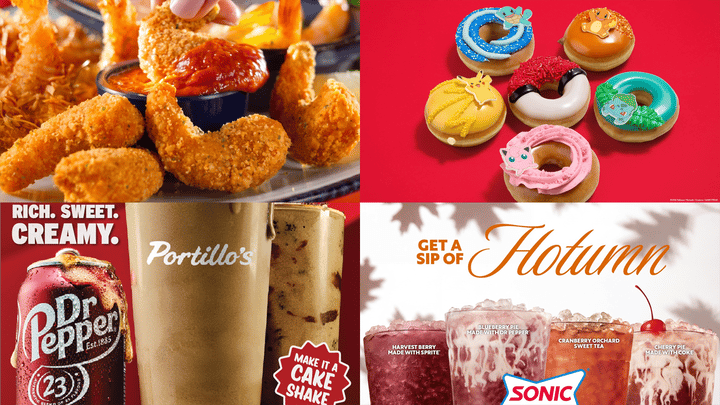
Sonic Drive-In, the drive-thru burger chain with 3,500 locations, deployed fresh beverages and limited-time offers to drive frequency. Sonic's dual-revenue model, which depends heavily on drink sales alongside food, makes menu innovation in beverages especially critical to unit economics.
Buffalo Wild Wings, the sports-bar chain owned by Inspire Brands, introduced new wing sauces and appetizers to compete with Wingstop and Pluckers in the competitive wings category. The move reflects data showing wings remain a traffic driver for casual dining concepts.
Dave's Hot Chicken, the venture-backed Nashville hot chicken chain expanding rapidly across North America, added new sandwich variations and sides. The brand's growth trajectory depends on menu differentiation in a crowded fast-casual category now populated by major players like Chick-fil-A and Popeyes.
Jollibee, the Filipino fast-food giant operating 1,400 locations globally including expansion in the U.S., introduced items reflecting Asian flavor profiles to its domestic menu. The strategy capitalizes on the brand's heritage while building broader appeal among American consumers increasingly open to non-traditional fast-food cuisines.
Krispy Kreme, the donut chain attempting a turnaround after disappointing public markets, launched new glazes and filled varieties designed to compete with Dunkin' and regional bakeries. The chain faces pressure to demonstrate growth and relevance to investors.
Panda Express, the Chinese-American fast-casual leader with over 2,300 U.S. locations, continues testing limited-time offerings tied to seasonal demand and cultural moments. The brand's innovation pipeline remains robust as it defends its position against newer concepts like Goro Ramen and Hi-Rise Kitchen.
These menu launches reflect a deeper pattern. Chain restaurants operate in a thin-margin environment where food costs remain elevated and labor expenses continue climbing. Menus become primary tools for driving check averages, justifying price increases, and maintaining customer frequency. Successful innovation requires understanding local taste preferences, managing supply chain costs, and executing in-restaurant training at massive scale.
The innovation race accelerates as chains prepare for potential economic headwinds. New items generate social media buzz, justify premium pricing, and provide reasons for lapsed customers to return. For consumers, this translates to more choices but also a reminder that chain restaurants remain highly dependent on novelty to maintain appeal in an increasingly fragmented dining landscape.