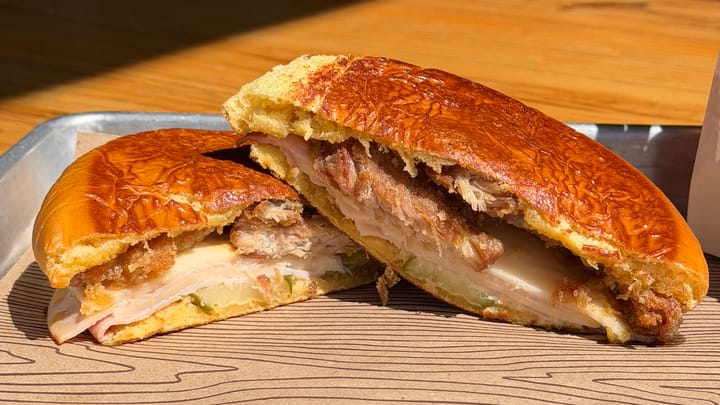
Hat Creek Burger Company, the Texas-based burger chain, is rolling out a Cuban sandwich as a limited-time offering across its locations. The company installed panini presses at each restaurant specifically to handle the production of this new menu item.
The move marks a strategic expansion beyond Hat Creek's core burger identity. Cuban sandwiches require the distinctive pressing and toasting technique that a panini press delivers, creating the crispy exterior and melted interior that defines the classic Miami staple. By investing in equipment chain-wide, Hat Creek signals confidence in the LTO's performance potential and demonstrates commitment to executing the item properly rather than taking shortcuts.
Cuban sandwiches traditionally layer roasted pork, ham, Swiss cheese, pickles, and mustard on Cuban bread, then compress the whole thing until it becomes a unified, warm, golden package. Hat Creek's version likely follows this formula, though specific ingredients remain undisclosed. The chain faces pressure to differentiate itself in a crowded fast-casual burger market where menu innovation drives traffic and ticket averages.
Equipment installation across multiple locations represents substantial capital expenditure. Hat Creek's decision to make this investment suggests data-driven confidence in the item's appeal to its customer base. QSR chains rarely install expensive equipment for one-off menu tests unless test markets or consumer research validate strong demand potential.
This strategy reflects broader industry trends. Burger chains increasingly use LTOs to test menu extensions, drive repeat visits, and capture social media attention. Wendy's, Five Guys, and Shake Shack have all leveraged limited offerings to maintain menu freshness while protecting their brand identity. Hat Creek's Cuban sandwich mirrors this playbook.
The Texas chain operates in a competitive landscape where regional burger concepts compete fiercely for market share. In states like Texas, where independent and regional burger operations thrive, differentiation matters. Offering something beyond customizable burgers gives Hat Creek a reason for customers to return and try something new.
The timing of panini press installation and sandwich launch remains unclear from available information, but the operational readiness suggests rollout will happen soon. LTOs typically run for 4-12 weeks, giving Hat Creek a defined window to capture sales data, gather customer feedback, and determine whether the Cuban sandwich merits permanent menu status.
If the LTO performs well, Hat Creek will have already solved the production problem. The panini presses become permanent equipment, ready to support an expanded menu. If sales underperform, the chain can pivot to other pressing-based sandwiches or return focus to its burger core without the equipment representing wasted capital.
For customers, the Cuban sandwich addition offers a respite from burger fatigue while signaling that Hat Creek listens to what diners want. In the fast-casual segment, perceived innovation and willingness to evolve build loyalty. Hat Creek's investment in proper equipment execution distinguishes this effort from cheaper menu additions that rely on existing kitchen infrastructure.