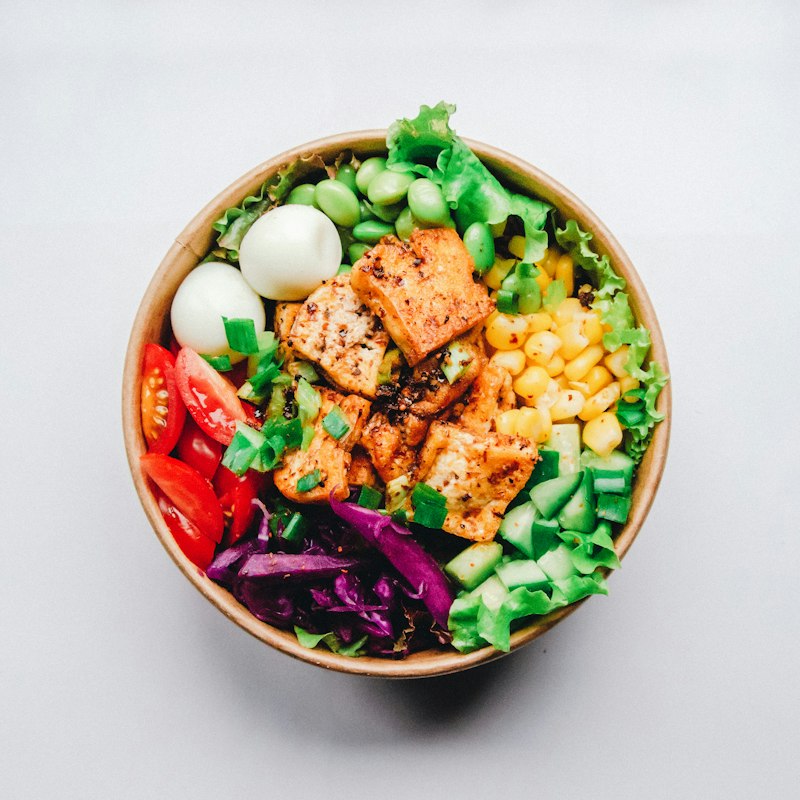
Walk into any grocery store or scroll through food content online and you'll notice something: protein has become the nutritional metric that matters. High-protein scrambled eggs. High-protein snacks. High-protein fall recipes. The messaging is relentless, and it's not accidental.
This is analysis and opinion. What we're seeing is an industry-wide incentive structure that rewards simplicity over nuance, and that benefits a very specific set of winners while leaving actual nutrition guidance behind.
Protein is easy to market. It's a single number on a label. It's a macro you can build a whole brand around. A snack company can slap "20g protein" on a bar and feel like they've solved nutrition. A restaurant can tout their high-protein options and attract a certain customer. The fitness industry has spent decades building protein into aspirational identity. The result is that protein has become a proxy for "healthy," even when the rest of the nutritional picture looks questionable.
But here's what doesn't fit neatly into marketing: most people eating typical Western diets aren't actually protein-deficient. They're getting plenty. What many are missing are adequate vegetables, whole grains, fiber, and micronutrient diversity. These things don't have the same marketing punch. You can't easily quantify them into a single attention-grabbing number. You can't build a brand story around "adequate folate."
The real winners in this arrangement are food manufacturers with existing production capacity who can pump protein powder into their products. It's an easy reformulation. It's also enormously profitable. A product marketed for basic nutrition might compete on price and simplicity. A "high-protein" product can command premium pricing because it's addressing a perceived need.
Meanwhile, the actual losers are people trying to figure out how to eat well. Parents buying "healthy kids' snacks" without realizing they're buying ultra-processed items primarily because they hit a protein target. People following the most visible nutrition advice online and missing the forest for the trees.
This isn't to say protein is unimportant. It matters, especially for certain populations. But it matters in proportion to everything else nutrition involves, not as the dominant signal.
The troubling part is how institutional this has become. Nutrition content creators, wellness influencers, and even some registered dietitians have absorbed this framing because it's where the engagement and sponsorship opportunities are. A post about eating more vegetables won't move as many views as "the protein hack that changed my life." A video about micronutrient diversity won't attract the same brand partnerships as high-protein recipe content.
The incentive problem is structural. Whoever can be counted on to reliably market a single, measurable nutrient has an advantage. Whoever is trying to communicate about holistic eating patterns is fighting an uphill battle.
Readers should ask themselves: who benefits when nutrition gets reduced to one metric? It's not usually the people trying to make genuinely informed choices about food.
This doesn't mean avoiding protein. It means noticing when an industry consensus forms around something convenient rather than something complete. It means being skeptical when nutritional advice suddenly becomes uniform and easy to quantify. And it means demanding that the nutrition conversation include the harder, less marketable stuff alongside the protein numbers.
The food industry is rewarded for clarity and simplicity, even when real nutrition is messy and multifaceted. Until that changes, high-protein everything will continue drowning out everything else.