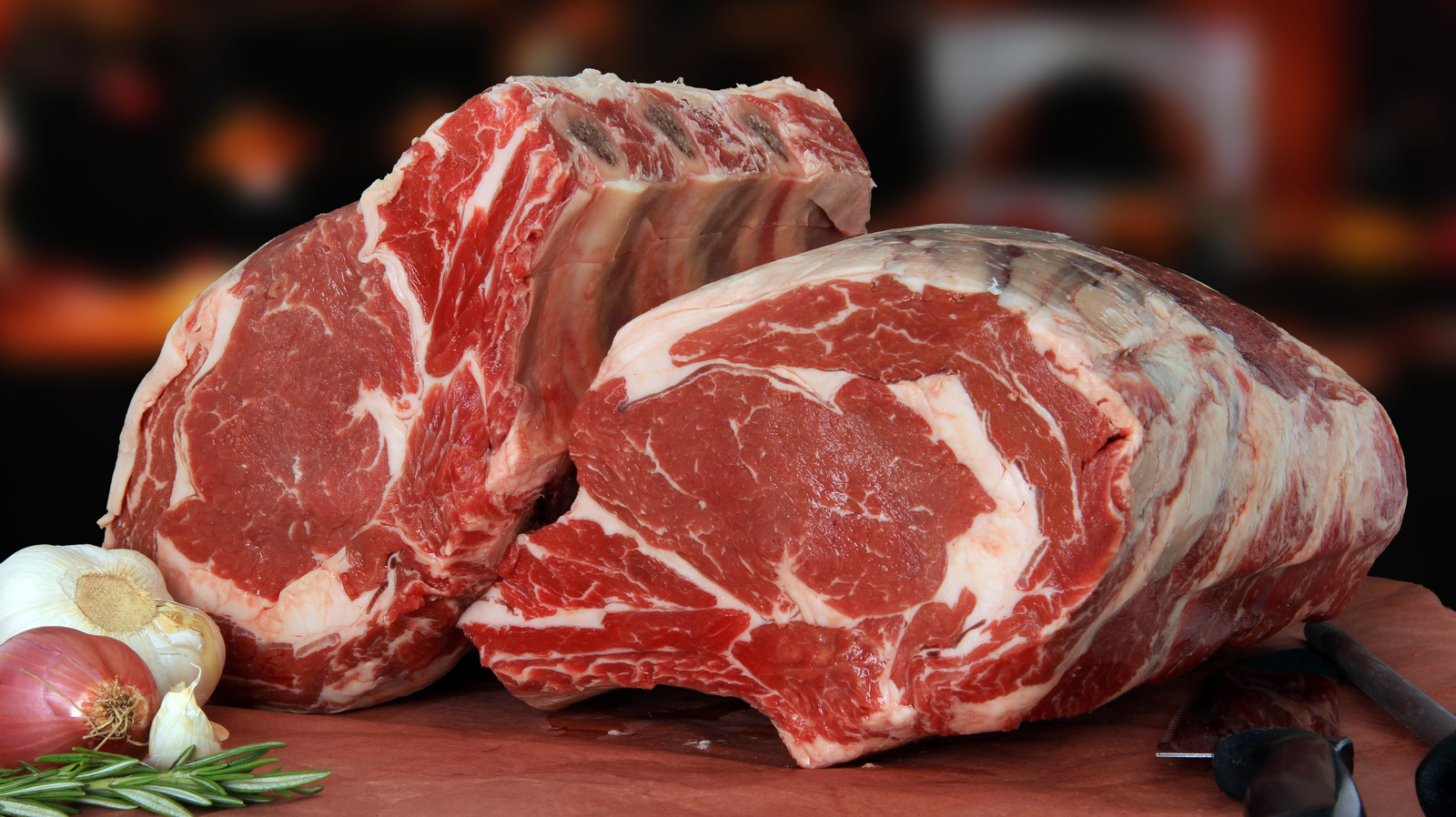
Prime rib prices have climbed steadily into 2026, reflecting shifts in beef production and retail demand. Quality cuts from established butchers and supermarket meat departments now command premium pricing that separates casual holiday cooks from serious home entertainers.
A high-grade prime rib roast, typically ranging from 4 to 8 pounds, costs between $25 to $35 per pound at most American supermarkets in 2026. This translates to $100 to $280 for a single roast, depending on size and source. Specialty butchers and high-end markets charge even more, sometimes reaching $40 per pound for certified prime beef or grass-fed alternatives.
Several factors drive these costs. Cattle feed expenses have remained elevated due to grain price volatility. Labor costs in meat processing have risen consistently. The percentage of cattle grading as prime has fluctuated, limiting supply and pushing prices higher. Additionally, consumer demand for prime rib spikes dramatically during holiday seasons, allowing retailers to increase margins.
Buyers seeking value can negotiate with local butchers, who often offer per-pound discounts on larger roasts or advance orders. Warehouse clubs like Costco and Sam's Club typically undercut supermarket pricing by $3 to $5 per pound, though membership fees apply. Buying during post-holiday sales, usually after New Year's Day, can yield 15 to 25 percent savings.
Quality matters enormously with prime rib. Prime-graded beef, the USDA's second-highest designation, features superior marbling that renders during cooking, creating tenderness and flavor. Choice-grade alternatives cost $5 to $10 less per pound but lack the fat distribution needed for optimal results. Skimping here produces dry, disappointing meat.
Temperature control and cooking method amplify the importance of buying quality.