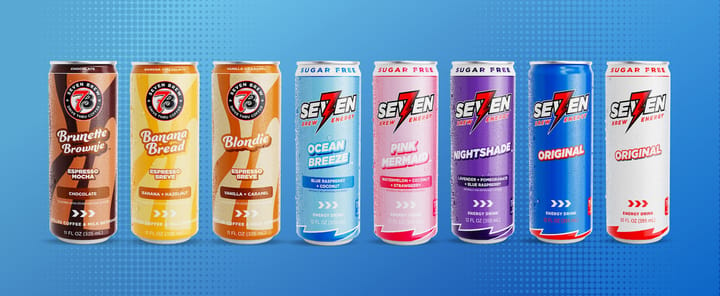
Seven Brew Coffee accelerates its retail expansion this month by landing bottled coffee and energy drinks inside Walmart stores nationwide. The fast-growing drive-thru chain, which has built momentum through rapid location expansion, now targets grocery shoppers who want convenience without visiting a café.
The move reflects a broader strategy among quick-service chains to capture shelf space where consumers make everyday purchases. Seven Brew joins competitors like Starbucks and Dunkin' who already dominate bottled coffee sections, but the chain's entry signals confidence in its brand strength beyond drive-thru windows.
Walmart's decision to stock Seven Brew products demonstrates the retailer's appetite for emerging beverage brands with strong unit economics and regional recognition. Seven Brew has grown aggressively across North America, opening hundreds of drive-thru locations in recent years by targeting suburban and commuter corridors where its model thrives.
The bottled offerings expand Seven Brew's daypart coverage. Drive-thru visits typically spike during breakfast and afternoon commute hours. Grocery placement captures impulse purchases, stocking needs at home, and occasions when customers can't reach a physical location. Energy drinks tap into the booming functional beverage category, where consumers increasingly seek alternatives to traditional sodas.
For Seven Brew, grocery distribution reduces dependence on same-store sales growth and builds brand awareness among shoppers who haven't yet visited a drive-thru location. Each Walmart placement becomes a sampling opportunity that may convert grocery buyers into regular café visitors.
The timing matters. Coffee chains face rising labor costs and real estate pressures, making packaged beverage revenue increasingly attractive. Seven Brew's CPG move comes as the chain likely eyes eventual franchising or acquisition, with consumer packaged goods revenue making the company more valuable to potential investors.
This strategy mirrors energy drink darlings like Monster and Red Bull, which built distribution networks across all retail channels