# Why Restaurant Avocado Toast Outshines Your Kitchen Version
Avocado toast seems like the easiest dish to replicate at home. Mash an avocado, spread it on toast, add salt and pepper. Yet restaurants consistently deliver something superior to what most people produce in their own kitchens.
The difference starts with sourcing. Professional kitchens access premium avocados at peak ripeness through established supply chains. They buy in volume, allowing them to be selective about fruit quality in ways home cooks cannot. Restaurants also time their purchases to match demand, ensuring optimal texture and flavor when the toast hits your plate.
Bread quality matters enormously. Restaurants invest in artisanal or commercial loaves with superior crust and crumb structure than grocery store sliced bread. Better bread holds the avocado's richness without becoming soggy. It provides textural contrast that cheap bread cannot match.
Technique separates good avocado toast from great avocado toast. Restaurants toast bread to precise doneness, creating a warm surface that slightly softens the avocado without cooking it. Professional cooks mash avocado to the right consistency, neither whipped into mousse nor left chunky. Seasoning receives careful attention. Most home versions undersalt their avocado, missing the flavor enhancement that proper salt provides.
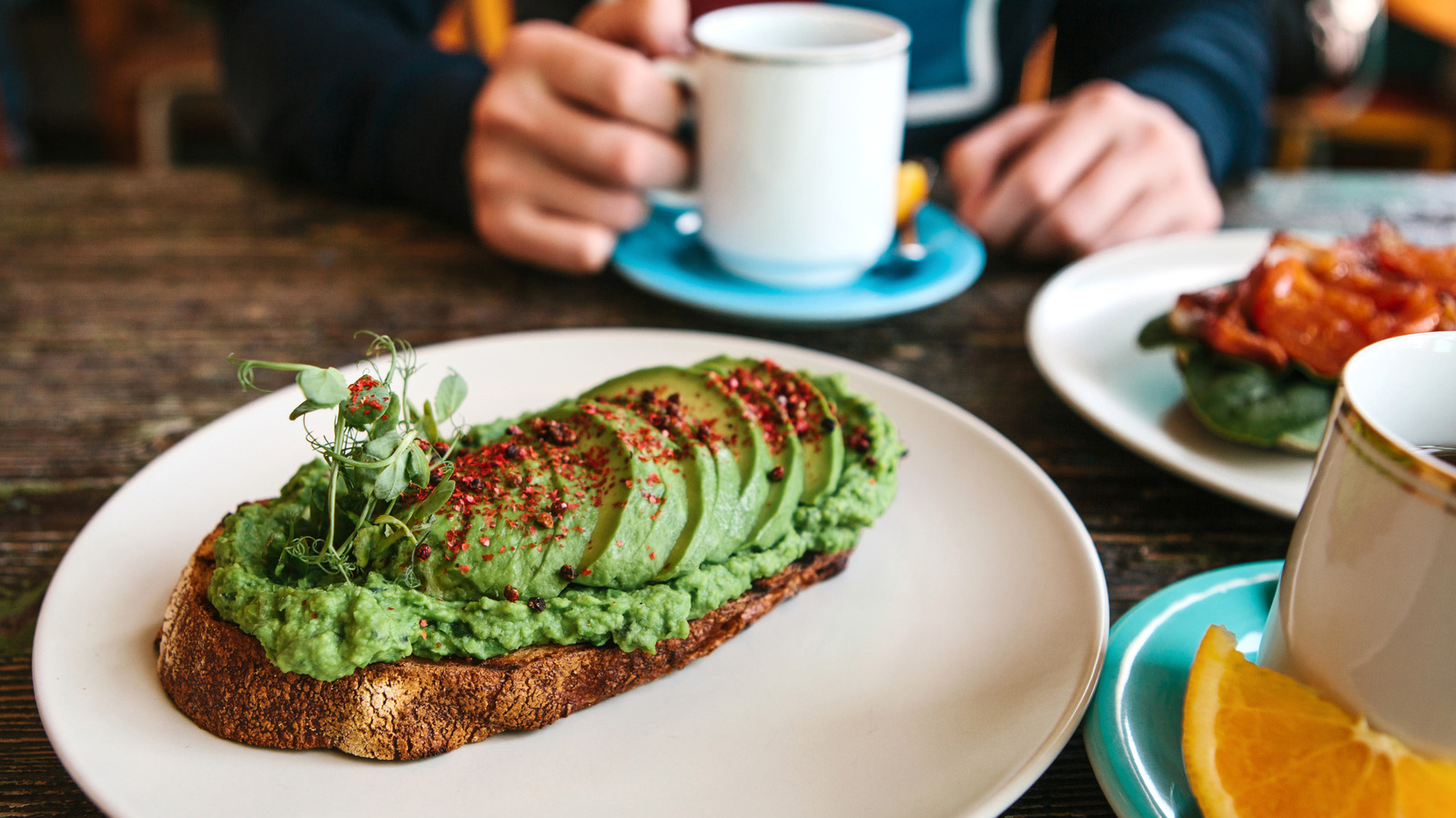
Finishing touches elevate restaurant versions beyond basics. A squeeze of lemon juice brightens the dish and prevents oxidation. Quality olive oil adds depth. Red pepper flakes, microgreens, or a poached egg transform simple avocado toast into something worthy of menu placement and premium pricing.
Temperature control matters too. Restaurants plate everything immediately, ensuring the contrast between warm toast and cool avocado. Home cooks often let toast cool while gathering ingredients, losing this crucial element.
The psychology of eating elsewhere plays a