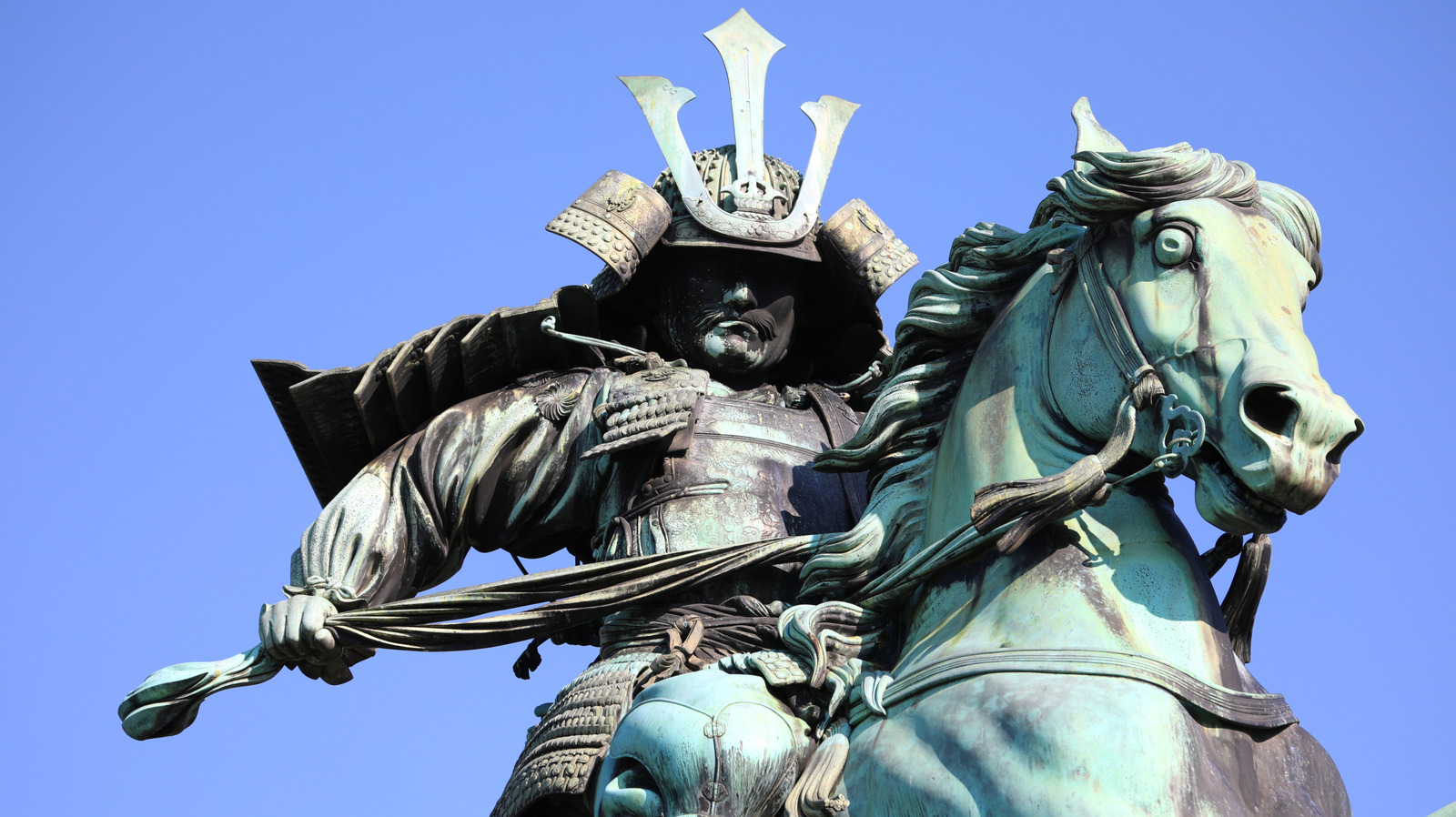
During Japan's Edo period, roughly 400 years ago, samurai of high rank gathered for elaborate celebrations centered around a particular beverage that marked their social status and refinement. The drink of choice for these warrior elites reflected both their wealth and their connection to Japanese ceremonial culture.
Samurai parties during this era were carefully orchestrated affairs. High-ranking warriors dressed in intricate, expensive garments to advertise their position and resources. The festivities went beyond mere social gathering. They served as displays of power and refined taste, with every element from clothing to drink selection communicating status within the rigid Edo-period hierarchy.
The beverage itself carried deep cultural significance. Rather than simple sake, the most prestigious samurai favored drinks prepared with specific ingredients and methods that aligned with their martial code and aesthetic values. These weren't casual occasions. Parties functioned as political and social networking events where alliances formed and hierarchies reinforced themselves through shared ritual and consumption.
The Edo period saw Japan's samurai class reach peak cultural influence while simultaneously being locked into a peaceful, urbanized society. With warfare largely eliminated, samurai channeled their identity into refined arts, fashion, and elaborate entertaining. Their choice of celebratory drinks reflected this transformation from military to cultural figures.
Understanding what samurai drank offers insight into how this warrior class maintained relevance and prestige during an era without battle. The deliberate selection of beverages reveals how Japanese elites used food and drink consumption as tools for expressing identity, maintaining social bonds, and cementing their position at the top of Edo-period society.