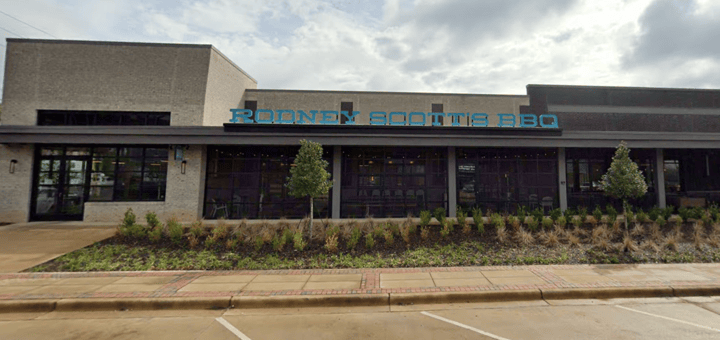
Nick Pihakis, the restaurateur behind the Pihakis Restaurant Group, has filed for Chapter 7 bankruptcy with approximately $44 million in debt. The filing marks a dramatic collapse for an operator who built a regional empire spanning four states and multiple restaurant concepts, now forced to shutter more than a dozen establishments.
The closures include prominent names in their respective markets. Rodney Scott's BBQ, known for Carolina-style whole-hog barbecue, operated locations across the Southeast. Hero Diner brought elevated comfort food to several markets. Joyland, another brand under the Pihakis umbrella, also ceased operations. The scale of the shutdown underscores how quickly restaurant portfolios can unravel when debt levels spiral beyond recovery.
Multiple lawsuits compound Pihakis's legal exposure. While the specific nature of these claims remains unclear from available filings, they likely include unpaid vendor debts, employee claims, or landlord disputes—common patterns in restaurant bankruptcies. The Chapter 7 filing, which involves liquidation rather than reorganization under Chapter 11, suggests the group has deemed restructuring impossible.
The bankruptcy reflects broader pressures crushing independent restaurant operators nationwide. Labor costs have climbed steeply. Supply chains remain volatile. Consumer spending on dining out has shifted toward national chains with deeper pockets and purchasing power. Regional multi-unit operators like Pihakis Restaurant Group occupy a vulnerable middle position. They lack the financial cushion of major corporations yet cannot compete on efficiency with single-location independents.
The timing matters. Restaurant bankruptcies have increased since 2023 as pandemic-era excess inventory and pricing power evaporated. Many owners who survived 2020-2021 by deferring payments and taking on PPP loans now face maturation of those debts alongside normalized operating costs. The Pihakis Group's collapse joins a growing list of regional operators who expanded aggressively during better times.
For employees, the impact lands immediately. Hundreds of workers across multiple locations lose jobs without severance clarity or wage guarantees (though some claims may rank ahead of general creditors). For landlords, the filings mean lost lease revenue and potentially lengthy eviction and re-leasing processes. Suppliers face write-offs on outstanding invoices.
The restaurant industry's consolidation accelerates through moments like these. Smaller regional concepts rarely survive bankruptcy intact. More likely, surviving locations get acquired by stronger operators, or brands disappear entirely. Market presence built over years evaporates in months.
Chapter 7 bankruptcy means the trustee will liquidate remaining assets. That includes any equipment, leases, and intellectual property (brand names, recipes, goodwill). Creditors will recover pennies on dollars owed. The restaurants themselves, stripped of owners, either reopen under new operators or join the growing inventory of vacant commercial kitchen space.
For the Pihakis Restaurant Group's former customers, these closures represent lost dining options and community gathering spaces. For industry observers, the bankruptcy illustrates how debt-fueled growth, when unchecked, destroys value faster than it created it.