# Fast Casual and Franchise Chains Navigate Evolving Market Pressures
The restaurant industry continues to reckon with shifting consumer behavior, operational costs, and competitive dynamics that are reshaping burger chains and emerging concepts alike. Jack in the Box, Red Robin, and Bonchon represent three distinct approaches to survival and growth in an increasingly fragmented quick-service restaurant landscape.
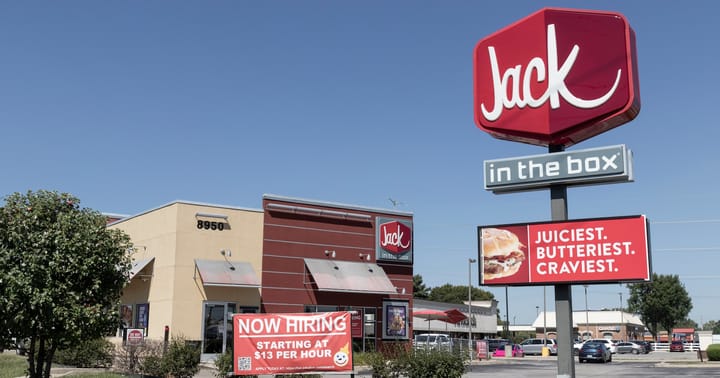
Jack in the Box operates roughly 2,200 locations across the United States, positioning itself in the value-focused fast-food segment where menu innovation and late-night service have historically driven traffic. The chain faces pressure from both major competitors like McDonald's and rising competition from regional players capturing market share through specialized offerings.
Red Robin, with approximately 570 locations, competes in the casual dining burger space, a category under particular strain as consumers shift toward healthier options and alternative proteins. The brand's strategy hinges on differentiation through customizable burgers and craft beverages, yet casual dining continues to contract as labor costs and real estate expenses squeeze margins.
Bonchon, the Korean fried chicken concept, represents a different market opportunity. The chain has grown to over 150 locations globally by tapping into the chicken wing and fried chicken category, which remains resilient across demographics. Bonchon's emphasis on Korean marinades and specialized preparation methods targets younger, more adventurous diners willing to pay premium prices for distinct flavor profiles.
Each brand confronts shared industry headwinds. Labor costs have risen significantly post-pandemic, forcing chains to balance wage increases with menu pricing that consumers will accept. Delivery platforms have transformed unit economics by taking 15-30% commissions while fragmenting customer relationships. Consumers increasingly demand transparency around sourcing and preparation, pushing chains to highlight ingredient quality.
The Restaurant Daily podcast from Nation's Restaurant News tracks these developments through daily coverage of earnings reports, executive changes, concept innovations, and market trends. Industry analysts focus on same-store sales trends, traffic counts, and comparable unit volume as indicators of chain health and consumer sentiment.
Jack in the Box's late-night positioning and value focus appeal to budget-conscious consumers and younger demographics. Red Robin's casual dining model requires higher check averages to remain profitable, making it vulnerable to economic downturns. Bonchon's rapid growth reflects broader enthusiasm for ethnic cuisines and adventurous eating occasions, particularly among Gen Z and millennial consumers.
The common thread across these three chains involves adapting menu innovation, delivery strategy, and labor management to maintain relevance. Bonchon's recent expansion accelerated through franchising, while Jack in the Box and Red Robin increasingly rely on digital ordering and technology integration to improve operational efficiency.
These developments reflect larger patterns reshaping restaurant economics. Chains that balance value positioning with operational efficiency, those offering distinctive culinary perspectives, and concepts that successfully integrate technology tend to outperform the industry average. The competitive landscape rewards speed, consistency, and strategic menu positioning above all else.