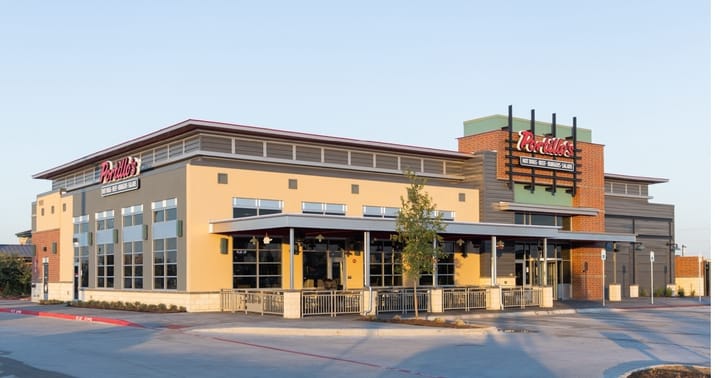
Portillo's announced an 18 percent reduction across its corporate and field workforce, CEO Brett Patterson confirmed after the fast-casual chain reported a 3.4 percent traffic decline in the second quarter. The Chicago-based Italian beef and hot dog chain eliminated positions to streamline operations and support long-term growth strategies.
The cuts arrive at a challenging moment for the brand. Portillo's went public in 2021 and has faced mounting pressure from investor expectations and shifting consumer behavior in the competitive quick-service restaurant sector. The traffic decline signals that the chain's expansion strategy has not yet translated into sustained customer visits, forcing leadership to recalibrate spending.
Patterson framed the reduction as a necessary step toward operational efficiency rather than a crisis response. The company operates over 60 locations across multiple states and employs thousands, making an 18 percent workforce reduction substantial in scale. The move affects both headquarters staff and field workers who support individual restaurants.
Portillo's built its reputation on high-quality ingredients and made-to-order sandwiches, commanding premium pricing in the fast-casual segment. That model has faced headwinds as consumers pull back on discretionary dining spending and competition intensifies from both established chains and emerging concepts. The traffic decline suggests Portillo's pricing or product mix may not align with current consumer priorities.
The reduction reflects broader challenges across the restaurant industry. Rising labor costs, food inflation, and tighter consumer spending have forced chains to right-size operations. Unlike some competitors that cut hours or reduced menu complexity, Portillo's chose workforce reduction to preserve operational structure.
Whether this move stabilizes performance remains unclear. The company must demonstrate that leaner operations can reverse traffic trends without compromising the quality standards that built its brand. Portillo's success depends on converting operational savings into investments that drive customer traffic rather than simply cutting costs.