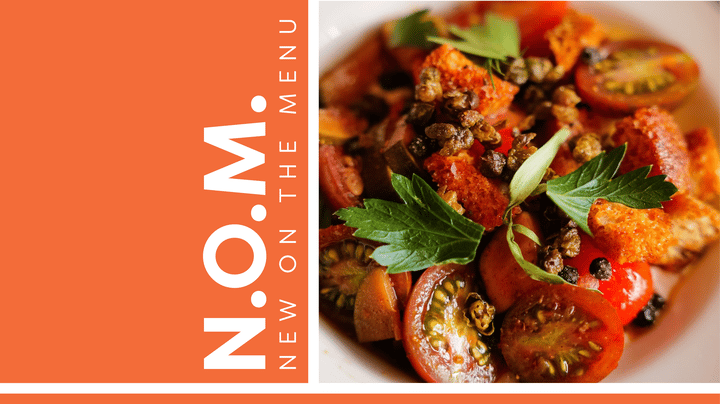
Tomatoes have moved beyond the salad bowl and into cocktail glasses across American restaurants this summer. Bartenders and chefs are treating the summer staple as a versatile ingredient rather than a supporting player, incorporating it into drinks alongside traditional spirit bases.
The trend reflects a broader shift in how restaurants approach seasonal produce. Chefs recognize that tomatoes deliver umami depth and natural acidity that enhance both savory dishes and mixed drinks. The fruit's juice, puree, and even charred flesh now appear in margaritas, bloody marys, and craft cocktails that lean into garden-forward flavors.
Fine dining establishments and casual restaurants alike have embraced tomato-forward menus. Pasta dishes feature heirloom varieties in simple preparations that showcase quality produce. Tostadas arrive topped with charred tomato salsa alongside grilled fish or carne asada. Some kitchens blur lines further, offering tomato consommes and gazpachos as drinking experiences.
This movement connects to consumer demand for transparency and seasonality. Diners increasingly expect restaurants to highlight local sourcing and peak-season ingredients. Tomato-centric menus deliver that promise while keeping costs manageable during peak harvest months.
The popularity also reflects bar culture's evolution. Craft cocktail programs now compete with food operations for sophistication and technique. Incorporating fresh tomatoes requires skill. Extracting juice without oxidation, balancing acidity, and layering flavors demands precision comparable to plating a composed dish.
What began as chefs using what grows in their gardens has become strategic menu development. Restaurants test tomato cocktails during peak season, build customer loyalty around the limited availability, then rotate offerings as produce seasons shift. The approach generates social media buzz while reducing waste and maximizing ingredient margins.
Tomatoes have reclaimed their place in restaurant culture, no longer confined to