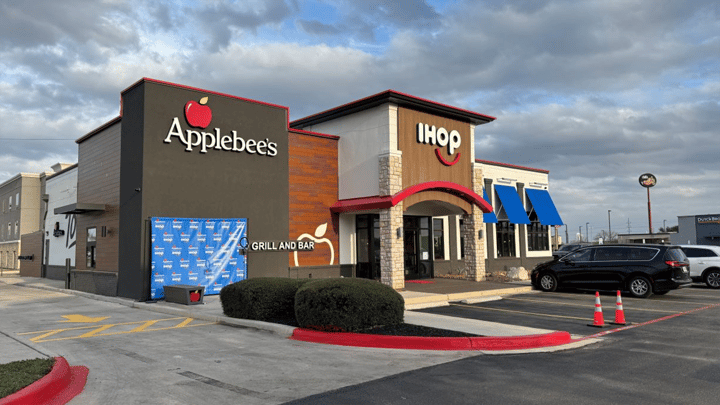
Dine Brands Global reports mixed results across its two major chains in the second quarter, with IHOP delivering modest growth while Applebee's continues to struggle.
IHOP achieved 1.5% same-store sales growth, buoyed by a surge in catering revenue. The breakfast-focused chain capitalized on returning demand for off-premise dining and events as consumers prioritize occasions and gatherings. This catering momentum provided a buffer against softer dine-in traffic, offsetting seasonal weakness.
Applebee's, the casual dining workhorse under the Dine Brands umbrella, posted a 1.8% same-store sales decline. The chain faced particular headwinds in April, when consumer spending cooled across the casual dining category. Spring typically brings uncertainty in restaurant spending patterns, and Applebee's proved vulnerable to broader economic hesitation. However, the company characterizes the decline as showing "slow improvement" as the quarter progressed, suggesting momentum built through May and June.
The divergence between the two chains reflects broader dynamics in restaurant recovery. IHOP's catering success taps into a structural shift in how Americans dine, moving beyond traditional table service toward events and celebrations. This revenue stream carries higher margins and reduces reliance on foot traffic alone. Applebee's struggles underscore the competitive pressure facing casual dining operators, who battle both fast-casual chains above them and quick-service restaurants below.
Dine Brands operates roughly 1,800 restaurants globally, with both chains franchised. The company's performance depends on franchisee health and consumer traffic patterns. IHOP's 24-hour legacy and breakfast positioning provides inherent flexibility. Applebee's relies more heavily on weeknight casual dining occasions, which remain vulnerable to inflation pressures on middle-income consumers.
The quarter reveals which restaurant concepts adapt to