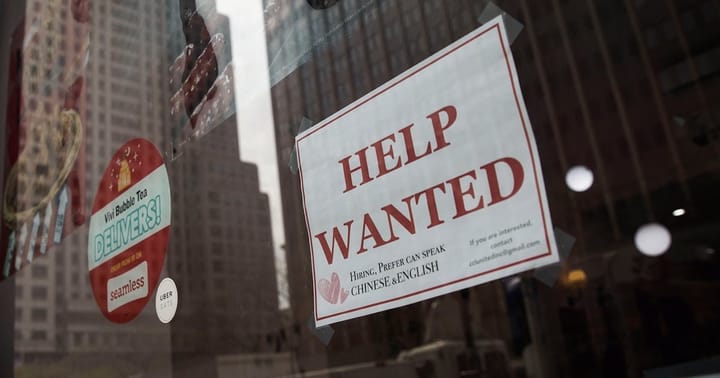
The restaurant industry contracted further in July, shedding 26,100 jobs according to data from the Bureau of Labor Statistics. This marks another month of decline for a sector still recovering unevenly from pandemic disruptions and grappling with persistent labor shortages.
The job losses span across kitchens, dining rooms, and back-of-house operations nationwide. Restaurants continue to struggle with wage pressures, staffing inconsistency, and consumer spending shifts that have forced some establishments to reduce hours or cut positions. The decline compounds challenges faced by independent operators and major chains alike.
Labor economists point to several converging pressures. Rising operational costs have squeezed margins, leading owners to trim payroll despite maintaining service levels. Consumer traffic patterns remain volatile, with diners trading down to quick-service formats or cooking at home more frequently. Some establishments have also accelerated automation efforts, deploying technologies in kitchen operations and ordering systems that reduce staffing needs.
The hospitality sector's inability to maintain stable employment reflects deeper structural issues. Many workers who left foodservice during the pandemic have not returned, pursuing roles in retail, healthcare, or other industries offering better wages and predictable scheduling. Entry-level restaurant jobs, historically plagued by high turnover, face increased competition for workers.
Regional variations exist across the country. Urban restaurant districts and tourist-dependent areas show different employment patterns than suburban and rural markets. Fine dining establishments have weathered conditions better than casual chains, though both segments report staffing difficulties.
This July decline arrives as the industry navigates shifting consumer preferences and economic uncertainty. Restaurant operators acknowledge they must compete harder for workers through better compensation and workplace conditions. Without stabilization in hiring patterns, the sector risks further talent drain and reduced service quality at a time when it needs operational strength most.