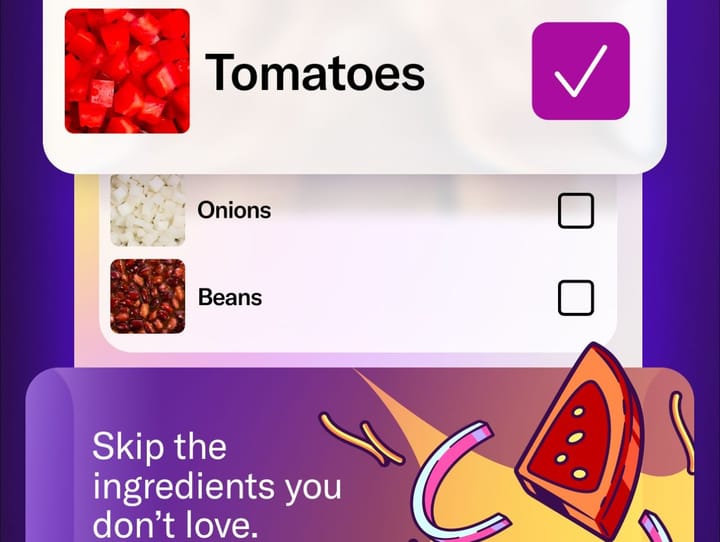
Taco Bell overhauled its mobile app with a focus on personalization and speed. The redesign introduces "My Menu," a feature that remembers customer favorite orders and customizations, cutting friction from repeat visits. The app now serves up tailored recommendations based on individual ordering history.
The fast-casual chain targets the growing segment of customers who order through digital channels. Mobile ordering drives significant revenue for quick-service restaurants, and Taco Bell's update reflects intensifying competition for app-driven sales. Chipotle, McDonald's, and other major chains have invested heavily in app functionality to capture orders and customer data.
The new interface simplifies navigation and checkout. By reducing the steps required to place an order, Taco Bell aims to boost conversion rates and average order value. Saved customizations matter particularly for Taco Bell, where customers heavily modify items with additional proteins, sauces, and toppings.
Personalized recommendations also serve a business function. They cross-sell higher-margin items and encourage customers to explore the menu beyond habitual orders. This strategy mirrors retail and streaming services that use purchase history to drive discovery and spending.
The timing aligns with Taco Bell's broader growth strategy. The brand has expanded its menu and experimented with premium offerings, and the app redesign provides a direct channel to push new items to engaged users. Mobile ordering also generates first-party customer data that bypasses third-party delivery platforms like DoorDash and Uber Eats, improving margins and customer relationships.
For consumers, the changes simplify ordering and reduce decision fatigue. Taco Bell's customer base, skewed toward younger, tech-comfortable demographics, expects frictionless digital experiences. The app update keeps pace with market expectations while deepening the relationship between the brand and its most loyal, digitally native customers.