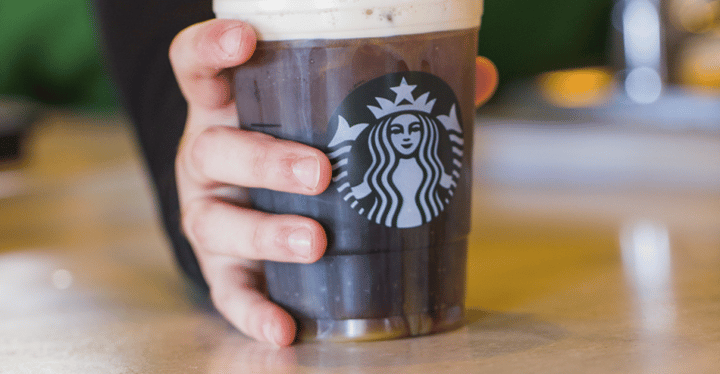
Starbucks accelerates store expansion while navigating tariff pressures that ripple across the restaurant industry. The coffee giant's aggressive growth strategy continues despite economic headwinds, betting on company-operated locations and franchise partnerships to capture market share in competitive urban markets.
Tariff fatigue grips restaurant operators nationwide. Rising import costs on equipment, ingredients, and packaging squeeze margins for chains large and small. Operators report delayed pricing decisions as they wait for tariff policy clarity. Many have absorbed costs rather than pass them to consumers, banking on eventual relief from Washington. Supply chain managers scramble to source alternatives or shift procurement to domestically produced goods, though options remain limited for specialty items.
Yum Brands, which owns KFC, Taco Bell, and The Habit Burger, reshapes its portfolio strategy. The company refocuses on core brands while evaluating underperforming concepts. This restructuring reflects broader consolidation trends as mega-chains optimize their footprints and cut overhead in slower markets. Franchise partners welcome clearer direction after years of expansion bloat.
Restaurant Daily's podcast breaks down what these moves mean for operators, investors, and consumers. Starbucks' expansion signals confidence in discretionary spending, even as tariff-induced inflation pressures food costs. Yum's recalibration suggests chains increasingly prioritize profitability over growth at all costs, a lesson learned from pandemic-era overexpansion.
The week's headlines underscore how macro forces reshape restaurant strategy. Tariffs hit hardest for imports reliant on coffee equipment, point-of-sale systems, and frozen food packaging. Starbucks' growth plans depend partly on keeping labor costs manageable and real estate accessible. Yum's streamlining reflects harder questions about which concepts generate genuine returns versus which drain resources from stronger performers.