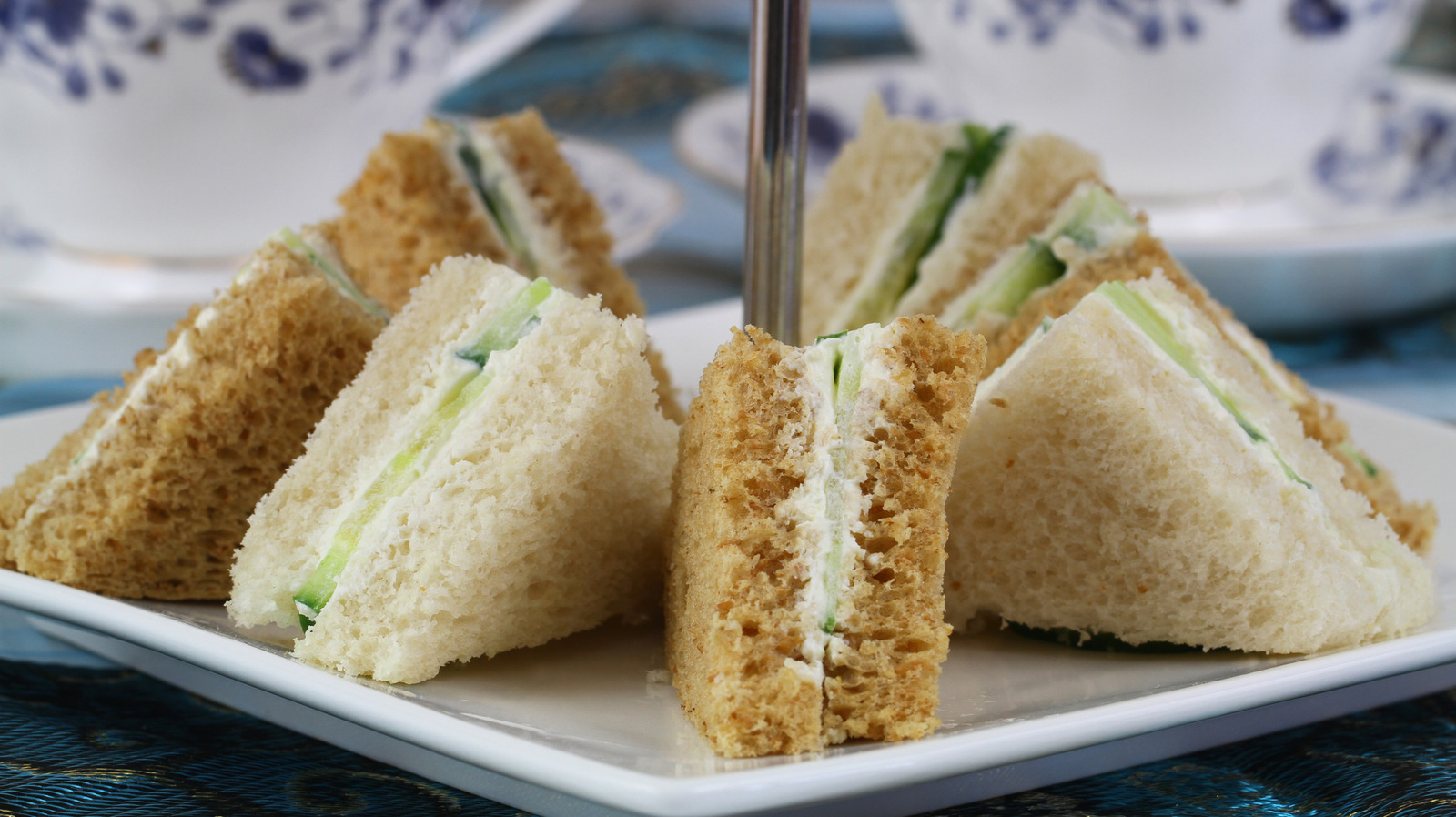
# The Tea Sandwich Revival: Butter and Unexpected Pairings
Tea sandwiches occupy a peculiar corner of culinary tradition. They arrive thin-sliced, crustless, and refined—vessels for flavor rather than sustenance. The Daily Meal highlights an old-school pairing that challenges our sandwich assumptions: two ingredients that seem incompatible until they meet between soft bread.
The article doesn't name the specific combination, but the intrigue matters. Tea sandwich culture thrives on restraint and precision. Unlike the hearty American sandwich tradition centered on PB&J or grilled cheese, British afternoon tea sandwiches operate on different logic. Butter serves as the foundation, spreading across white bread or brown, acting as both binder and flavor carrier.
The best tea sandwiches work through contrast. Cucumber and cream cheese. Egg salad and watercress. Smoked salmon and dill. Each pairing respects ingredient quality over quantity. Nothing dominates. Nothing overwhelms.
The resurgence of tea sandwich culture reflects broader food trends. Home cooks and restaurant chefs increasingly value simplicity and tradition. Minimalist cooking gained momentum during lockdowns. Fine dining explored elevated comfort food. Tea sandwiches fit both movements perfectly.
These sandwiches demand excellent bread. Soft crumb. Slight tang. The butter must be salted and at room temperature. Fillings require restraint. A smear, not a heap.
The forgotten tea sandwich deserves return to American tables. Not because they are trendy or Instagram-worthy. They work. Two unlikely flavors, properly balanced and expertly executed, create something greater than their parts. That's the entire point of cooking.
Home cooks who've moved beyond basic sandwiches often discover tea sandwiches by accident. They search for recipes that honor ingredients rather than mask them. The