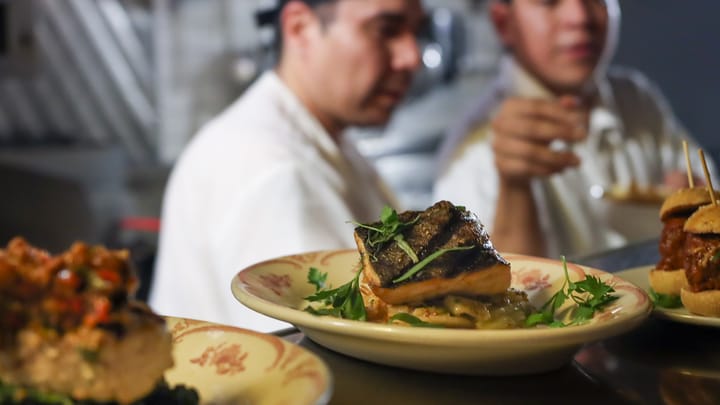
Joey Campanaro built Little Owl into a New York institution without chasing trends. The 20-year-old restaurant in Greenwich Village remains his anchor, a 28-seat Italian-American spot that perfected the art of doing one thing exceptionally well: simple, ingredient-driven cooking at an approachable price point.
"We've always believed in quality over quantity," Campanaro's approach reflects the restaurant's staying power through two decades of New York's relentless dining cycles. Little Owl opened in 2006 when farm-to-table felt novel, not inevitable. Campanaro's use of seasonal produce and careful sourcing predated the Brooklyn farm movement's mainstream moment.
The chef didn't rest on Little Owl's success. He expanded thoughtfully with The Mary Lane, a wine-focused spot that pairs natural wines with Italian-leaning small plates. The Clam arrived next, specializing in seafood and pasta in the casual spirit that defines his philosophy. Market Table followed, broadening his reach while maintaining his core commitment to straightforward execution and ingredient integrity.
What distinguishes Campanaro's approach from New York's endless rotation of hot restaurants is adaptation without abandonment. He's adjusted to changing customer preferences, dietary needs, and ingredient availability without sacrificing the discipline that built Little Owl's reputation. The restaurant's continued relevance at 20 years speaks to something deeper than novelty or hype.
The milestone arrives as New York's restaurant landscape faces pressure from inflation, labor costs, and shifting consumer habits. Independents like Campanaro's restaurants face particular challenges competing against well-capitalized chains and celebrity chef empires. Yet Little Owl's longevity suggests there remains an audience for restaurants built on craft rather than concept.
Campanaro's quarter-century working through New York dining culture mirrors the city's evolution. The restaurants he opened in the