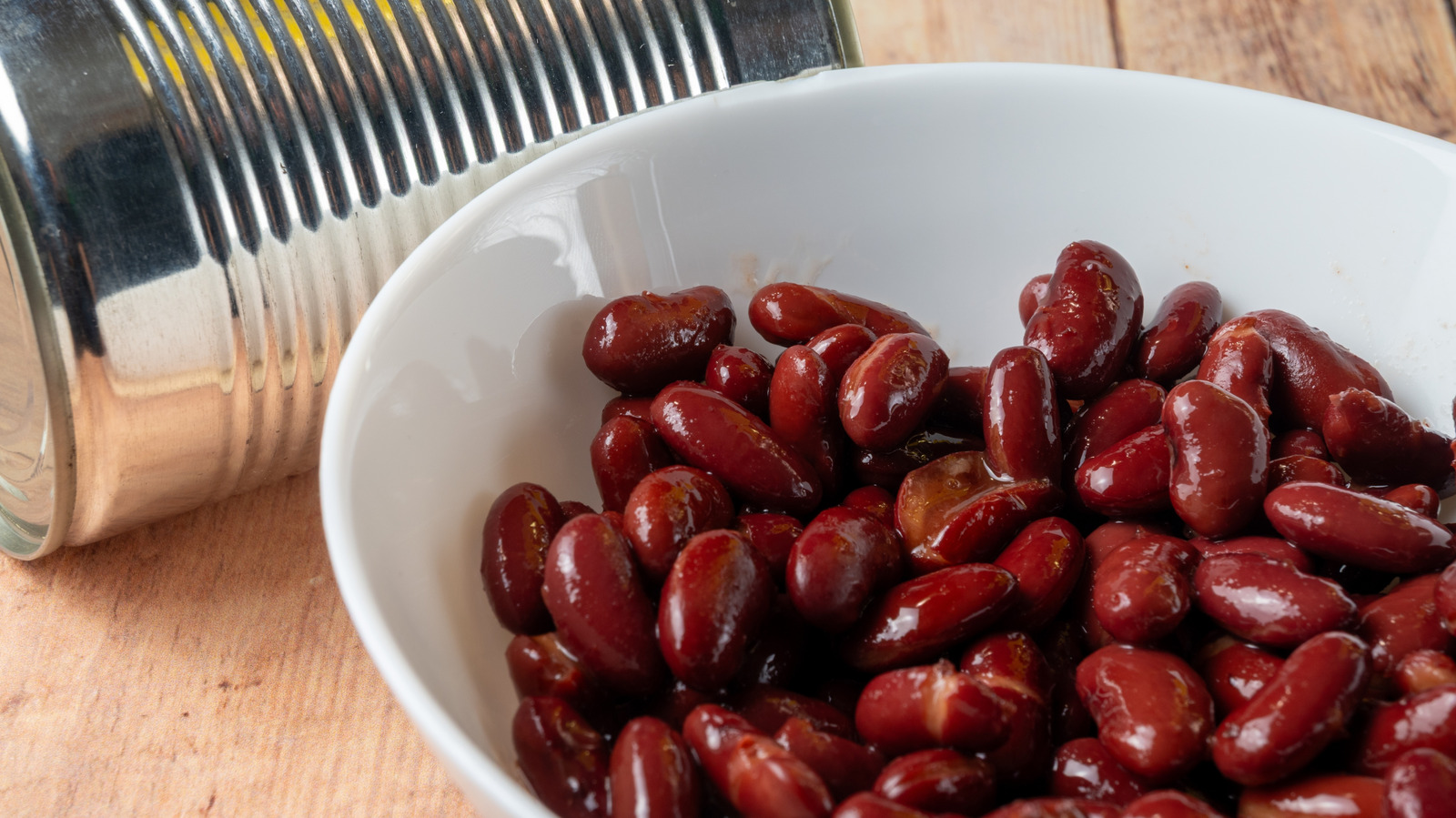
Canned kidney beans deserve space in every pantry, not just for chili and salads. These legumes work far beyond traditional applications, transforming into pizza crusts, chocolate frosting, and a dozen other unexpected dishes that challenge conventional cooking.
The shift toward using beans as a structural ingredient rather than a side dish reflects broader changes in how home cooks approach pantry staples. Kidney beans contain enough starch and binding properties to replace flour in certain applications. Their neutral flavor profile makes them ideal for sweet applications like chocolate desserts, where the beans add creaminess and moisture without tasting beany. A kidney bean chocolate frosting becomes fudgy and rich while cutting sugar and fat compared to traditional butter-based versions.
In savory applications, mashed kidney beans create surprisingly sturdy pizza crusts. Mixed with breadcrumbs, eggs, and seasonings, they form a base that browns properly and holds toppings. The beans provide protein and fiber that white flour cannot match. Home bakers report crusts that stay tender without the dense, gummy texture common in chickpea-based alternatives.
Beyond these centerpieces, kidney beans work in burger patties, brownies, pasta doughs, hummus variations, and soup thickeners. Each application exploits the same qualities that make beans valuable: their starch, protein content, and ability to absorb surrounding flavors. A kidney bean burger tastes cleaner than all-bean versions because the legume shares textural space with grains and vegetables rather than dominating.
The convenience factor matters too. Canned beans require no soaking or cooking, making these applications accessible to weeknight cooks. A can of kidney beans costs pennies and stores indefinitely. That economics, combined with their nutritional density, explains why beans remain central to global cuisines from Brazil to India to the Mediterranean.
Using canned kidney beans cre