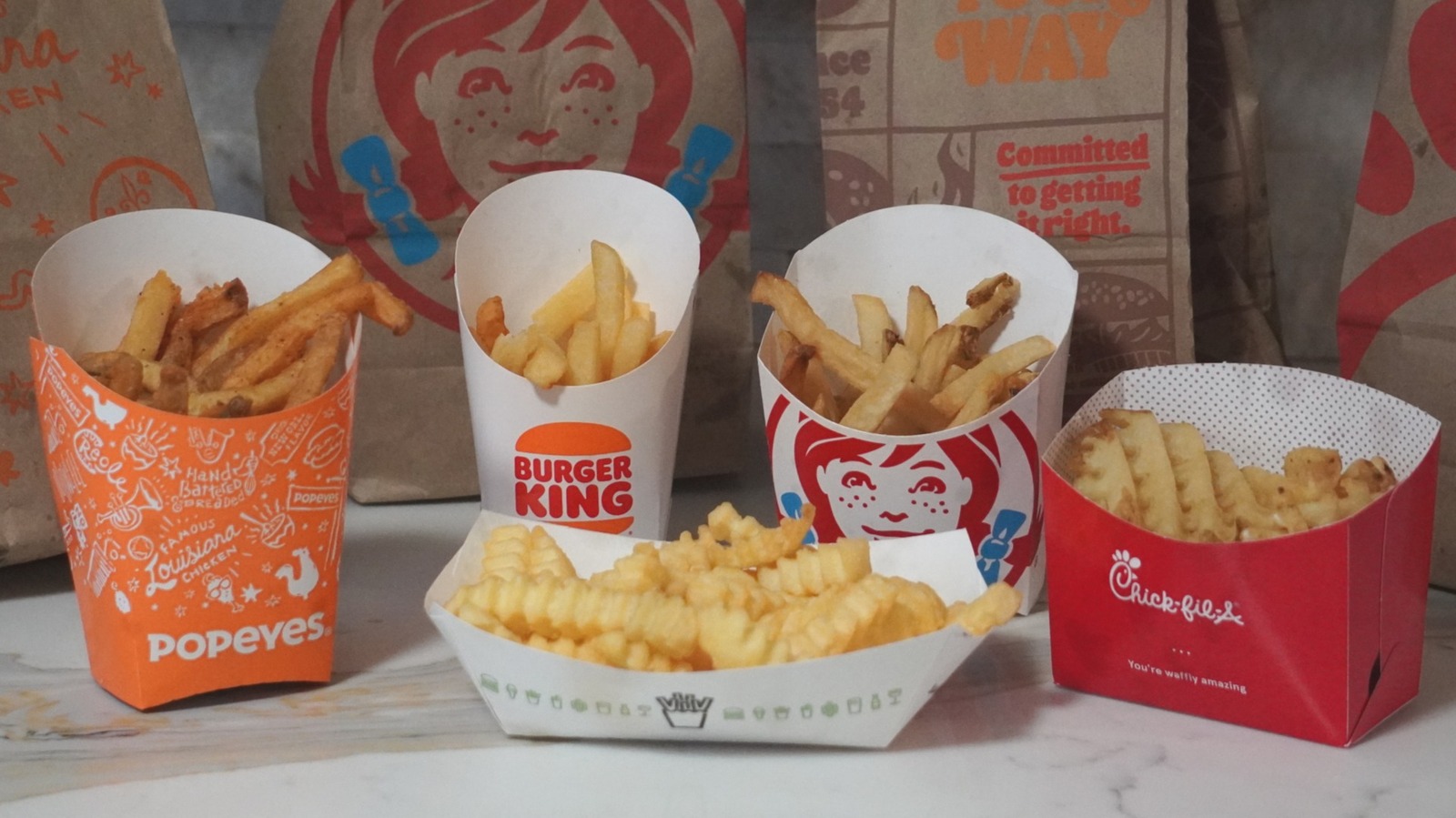
Fast food chains stake their reputations on fries as much as burgers. Food Republic tested eight popular chains to separate the crispy from the soggy, the golden from the limp.
The ranking reflects what separates a forgettable side from a destination item. Texture matters most. Fries that arrive hot and maintain their crunch for the first few bites score higher than those that turn to mush. Salt distribution counts too. Chains that nail the ratio between seasoning and potato create the kind of fries customers crave enough to order without a burger.
Cooking method shapes everything. Chains using fresh-cut potatoes and proper oil temperatures produce superior results compared to frozen varieties cooked in oversaturated fryers. The quality of the potato itself, the cut thickness, and even the type of salt applied all influence final rankings.
Fast food fries carry real business weight. They represent impulse purchases that boost ticket averages and appear simple enough for execution at scale. When a chain nails them, customers remember. When they fail, diners switch loyalties.
The rankings expose how competition among major chains has sharpened. Some operations treat fries as afterthoughts, while others invest in sourcing and technique. A few chains have retooled their processes recently, trying to capture the fast casual market where fries command premium prices.
Price matters in context. A dollar-menu fries option faces different expectations than a higher-priced side at an upscale chain. The ranking accounts for value alongside quality, recognizing that best fries means delivering satisfaction at the price point where consumers encounter them.
Food culture shifts when chains elevate their sides. Better fries signal respect for the full dining experience, not just headline proteins. The chains that appear highest in this ranking understand that fries anchor the meal in memory.