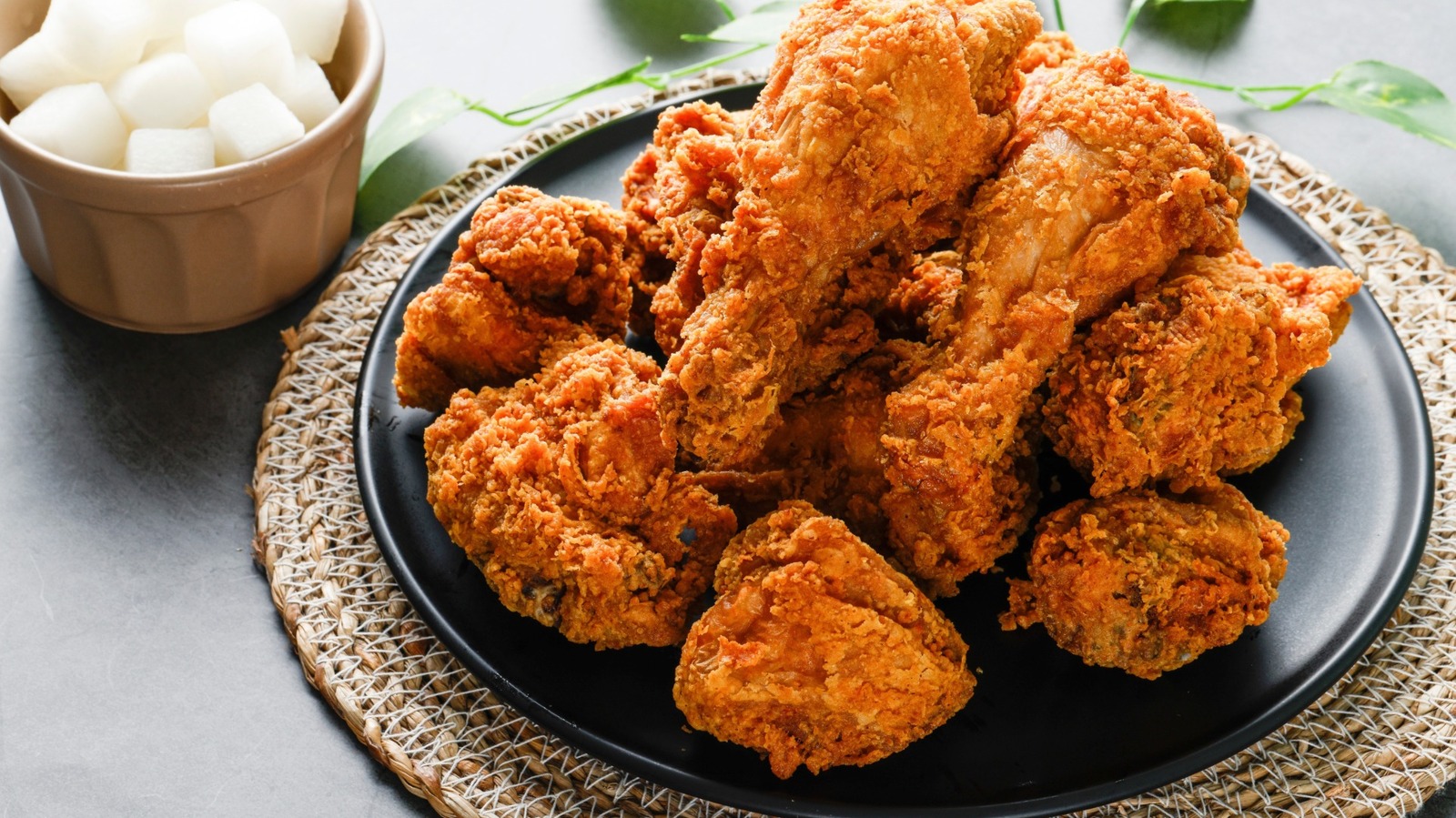
Broasted chicken commands devoted fans across America, yet most diners cannot articulate what separates it from conventional fried chicken. The difference lies in pressure and precision.
Broasting uses a pressurized fryer that cooks chicken at higher temperatures in a sealed environment. This method, trademarked by the Broaster Company in the 1950s, locks moisture inside while creating an exceptionally crispy exterior in roughly half the time of traditional deep frying. Standard fried chicken relies on open-air oil at lower temperatures, producing a crunchier crust but requiring longer cooking times that risk drying the meat.
The pressure cooking method became a game-changer for quick-service restaurants seeking speed without sacrificing quality. Chains like Chicken Delight built empires on broasted chicken during the 1960s and 1970s, capitalizing on faster service and consistent results. The sealed fryer also eliminates oil splatter and reduces smoke in commercial kitchens, a practical advantage that traditional fryers cannot match.
Taste distinguishes these methods equally. Broasted chicken develops a distinctly thin, glass-like crust that shatters between your teeth, releasing juices within. The meat stays remarkably tender because the pressure environment essentially steams the interior while frying the exterior. Traditional fried chicken achieves deeper browning and more pronounced seasoning absorption into the crust, creating bolder flavor profiles. Home cooks often prefer this approach because cast iron and open-air frying allow greater seasoning control.
Regional preferences drive consumption patterns. The Midwest and South embrace broasting enthusiastically, with independent operators and regional chains maintaining loyal customer bases. Urban coastal areas lean toward artisanal fried chicken prepared with heritage breeds and small-batch oils, viewing broasting as overly industrial.
The broasted chicken comeback reflects broader food trends. Consumers seek