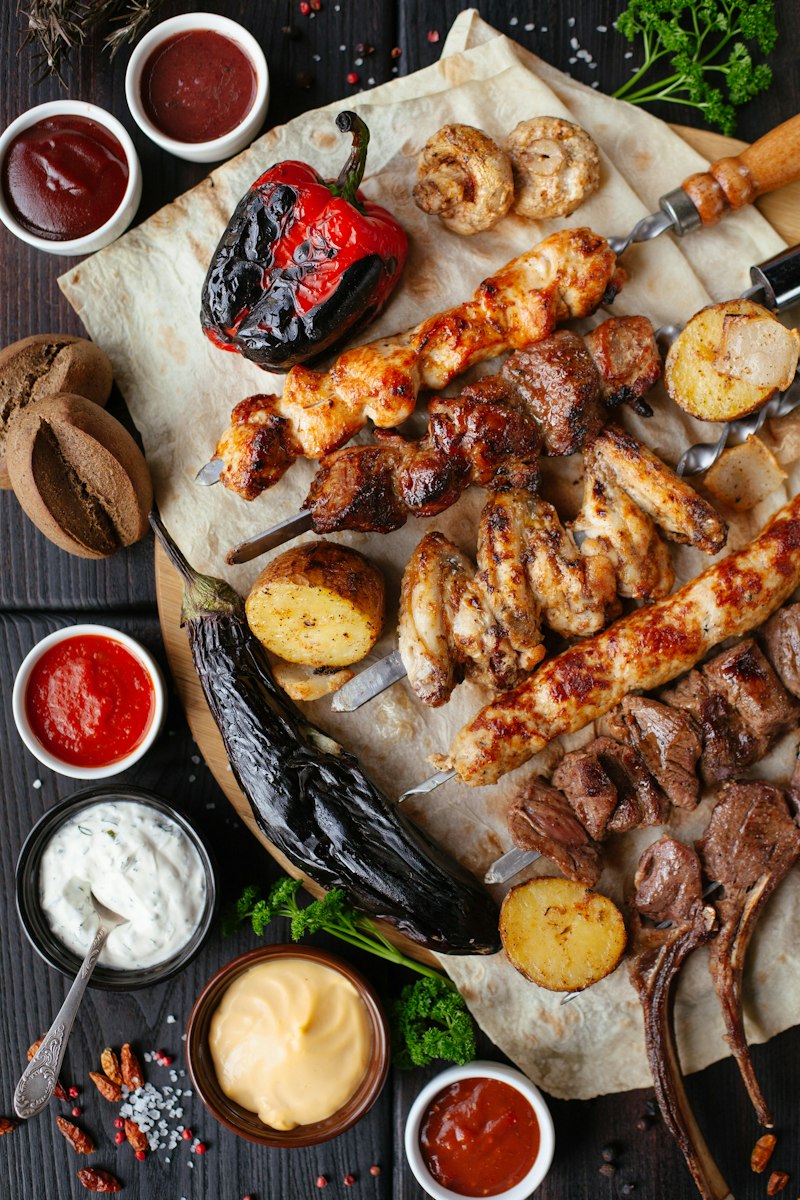
Air fryers have quietly overtaken conventional ovens as the appliance of choice for roasting whole chickens. The method delivers crispy, golden skin in roughly 45 minutes, cutting traditional roasting time nearly in half while consuming significantly less energy.
The appeal is straightforward. Air fryers circulate hot air at high velocity around the bird, rendering fat efficiently and browning skin without the drying effect that conventional ovens often produce. Home cooks report consistently juicy meat paired with crackling exteriors, a combination that requires careful temperature management in traditional cooking.
The practical advantages stack up fast. Air fryers preheat in minutes rather than the 15-20 minutes a conventional oven demands. They run cooler, keeping kitchens comfortable during summer months. A whole chicken under five pounds fits comfortably in most home models, making the appliance viable for weeknight dinners, not just special occasions.
The technique itself demands minimal fuss. Season the bird generously with salt, pepper, and aromatics like lemon or fresh herbs. Place it breast-side up on the basket. Set the temperature to 360-380 degrees Fahrenheit and let it cook until the thickest part of the thigh reaches 165 degrees. The skin crisps without intervention.
This shift reflects broader kitchen trends. Air fryers have evolved from trendy gadgets to essential appliances in home cooking, rivaling stand mixers and food processors for counter real estate. Their efficiency appeals to sustainability-conscious cooks watching utility bills. Their speed satisfies busy households juggling work and family meals.
Whole chicken remains one of the most economical proteins available. Combined with air frying's speed and minimal supervision, the method positions roasted chicken as an accessible weeknight centerpiece rather than a Sunday project requiring advance planning.
The oven hasn't disappeared entirely. Batch cooking for crowds