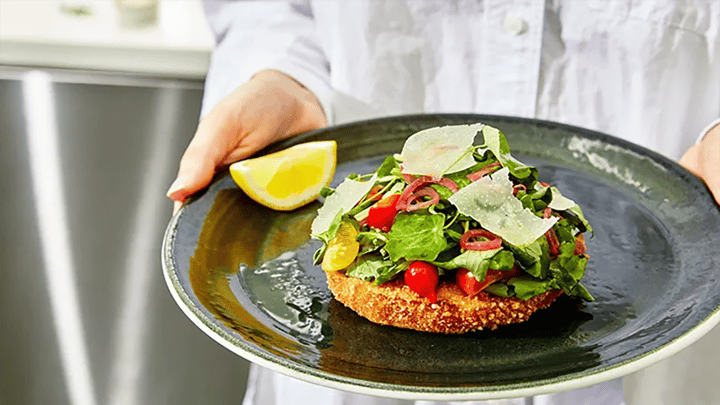
Restaurant chains recognize that plant-based menu items now drive customer acquisition and retention rather than serve as niche offerings. Flexitarians—the 42 percent of consumers who eat mostly plant-based but occasionally include meat—represent a substantial market segment that demands clear labeling and dedicated menu sections.
Major operators from casual dining to quick service have discovered that prominent plant-based options reduce friction for this growing demographic. When restaurants bury vegetable-forward dishes among conventional entrees or fail to highlight them, flexitarians struggle to identify suitable choices. Clear labeling transforms these items into visible pathways that convert browsers into buyers.
The business case extends beyond capturing one meal occasion. Flexitarians often dine with omnivores, and restaurants that prominently feature plant-based options accommodate entire parties rather than forcing compromise. A table where everyone finds something satisfying orders with confidence. That psychological ease translates to repeat visits and higher check averages.
Chains have learned that presentation matters as much as nutrition. A dedicated "plant-forward" section signals that the kitchen treats these dishes seriously. Ingredient transparency—calling out locally-sourced vegetables, specific proteins like chickpea or lentil, cooking techniques—builds credibility with consumers who view plant-based eating as intentional rather than restrictive.
The labor economics also favor clarity. When servers understand which items appeal to flexitarians and can recommend them confidently, upsell potential increases. Kitchen staff execute dishes more carefully when they recognize the category's importance. Suppliers anticipate demand for specialty ingredients when the signal comes from above.
Restaurants that resist this shift risk obsolescence. Younger demographics skew flexitarian, and their dining preferences shape category growth. A menu lacking clear plant-based options reads as dated, not inclusive.
This isn't about ideology or health evangelism. It's basic retail. Flexitarians spend money consistently. They visit frequently