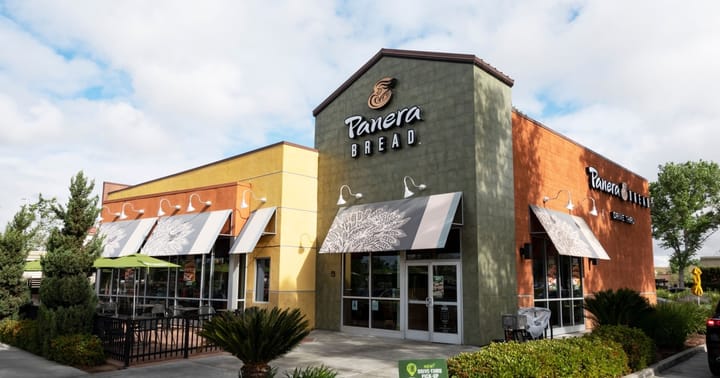
Panera Bread is relocating its headquarters from St. Louis to the Boston area, marking a significant shift for the 30-year-old fast-casual chain. The company will maintain a support center in St. Louis, its birthplace, but expects many employees to relocate northward.
The move reflects broader patterns in restaurant industry geography. Boston has emerged as a hub for food service operations, offering access to venture capital, tech talent, and proximity to East Coast markets. For Panera, the shift signals ambitions beyond its Midwest roots.
The relocation will reshape operations for corporate staff across finance, marketing, technology, and supply chain divisions. Panera has not disclosed how many positions will transfer or what severance packages might apply for employees choosing not to move. The company's St. Louis location will continue serving a support function, though its scope remains unclear.
This decision arrives as Panera navigates competitive pressures in the fast-casual sector. The brand competes with chains like Sweetgreen and local bakery-cafes while defending against Chipotle's expansion into breakfast. A northeastern headquarters could position Panera closer to its strongest regional market. The Northeast accounts for roughly 30 percent of Panera's U.S. locations.
The move also reflects investor preferences. Panera's parent company has been exploring growth strategies, and a Boston headquarters appeals to institutional investors tracking restaurant technology and supply chain innovation. The city hosts major operations for other food service companies and attracts restaurant-focused venture firms.
St. Louis built Panera from a regional bakery concept into a national chain with over 2,100 locations. The decision to retain some operations there acknowledges this heritage while embracing new strategic direction. For Panera employees, the relocation represents both opportunity and disruption, requiring decisions about career continuity and personal relocation.