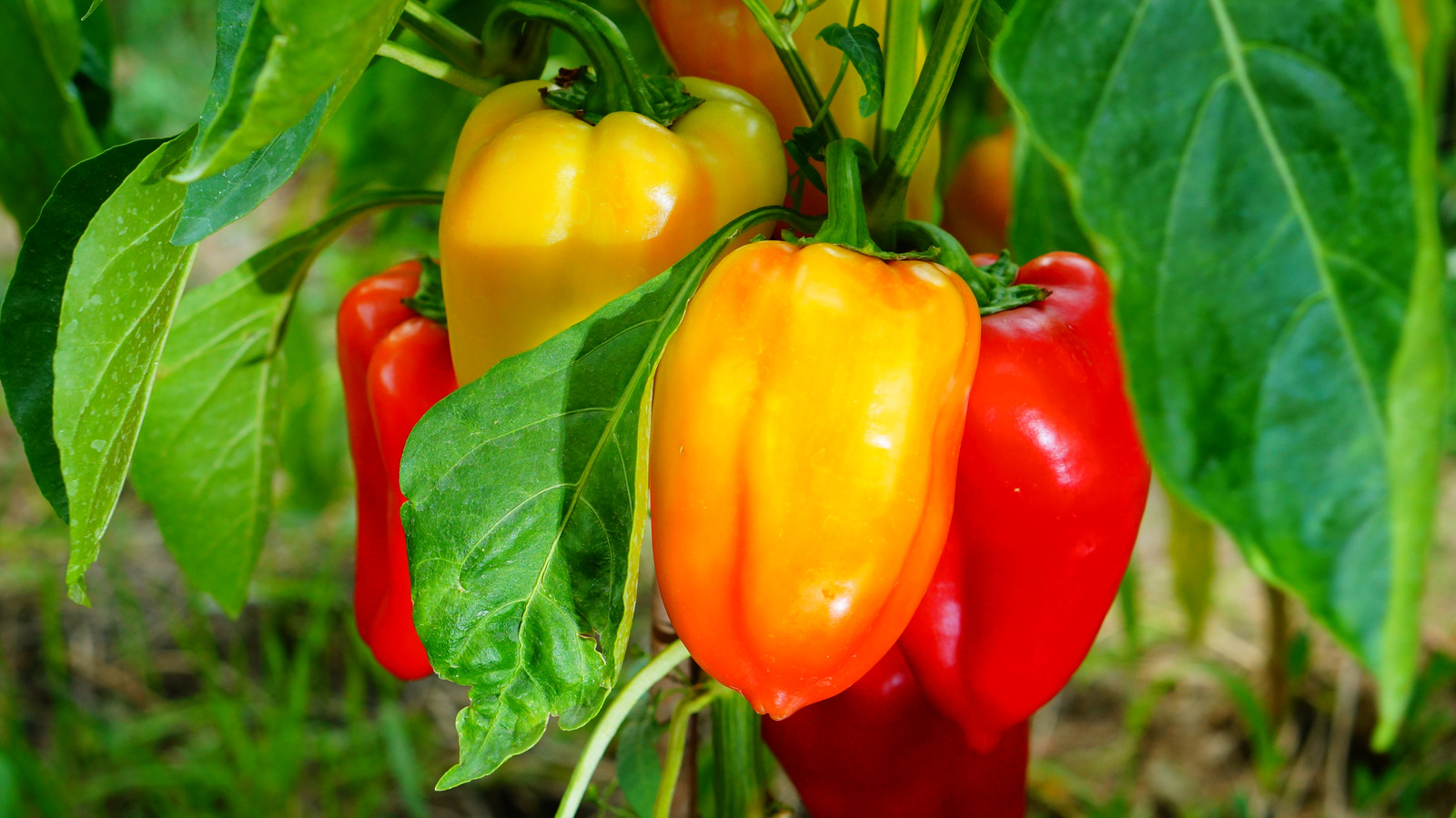
Growing peppers at home demands patience, but the payoff justifies the wait. Homegrown peppers develop deeper flavor than their supermarket counterparts because they ripen fully on the vine and reach harvest at peak ripeness, rather than being picked early for transport and storage.
Companion planting offers a practical strategy to boost pepper yields and health. Certain vegetables thrive alongside peppers, creating mutually beneficial growing conditions. The specific companion plant matters enormously. Basil pairs exceptionally well with peppers, deterring common pests while enhancing nearby plants' vigor. Onions and garlic also work effectively, their pungent compounds repelling aphids and spider mites that damage pepper foliage.
Tomatoes and peppers often share garden space, though gardeners should monitor them closely for shared pest pressures. Marigolds, while primarily ornamental, provide natural pest control through their aromatic oils. Cilantro and parsley support pepper growth by attracting beneficial insects that prey on harmful bugs.
The mechanics work through pest deterrence and improved soil conditions. Plants like basil emit volatile compounds that confuse or repel insects seeking pepper plants. Deeper-rooted companions also prevent competition by accessing water and nutrients from different soil layers, while shallow-rooted plants occupy the upper zone without stealing resources from peppers' established root systems.
Spacing matters equally. Peppers need adequate air circulation to prevent fungal diseases, so crowding companion plants defeats the purpose. Plant basil or onions at least eight inches away from pepper stems, ensuring both thrive without suffocating one another.
Timing the companion planting correctly accelerates benefits. Start basil seeds indoors alongside pepper transplants six to eight weeks before the final frost. This synchronizes their growth cycles. Direct-sow cilantro and parsley two weeks after transplanting peppers into garden