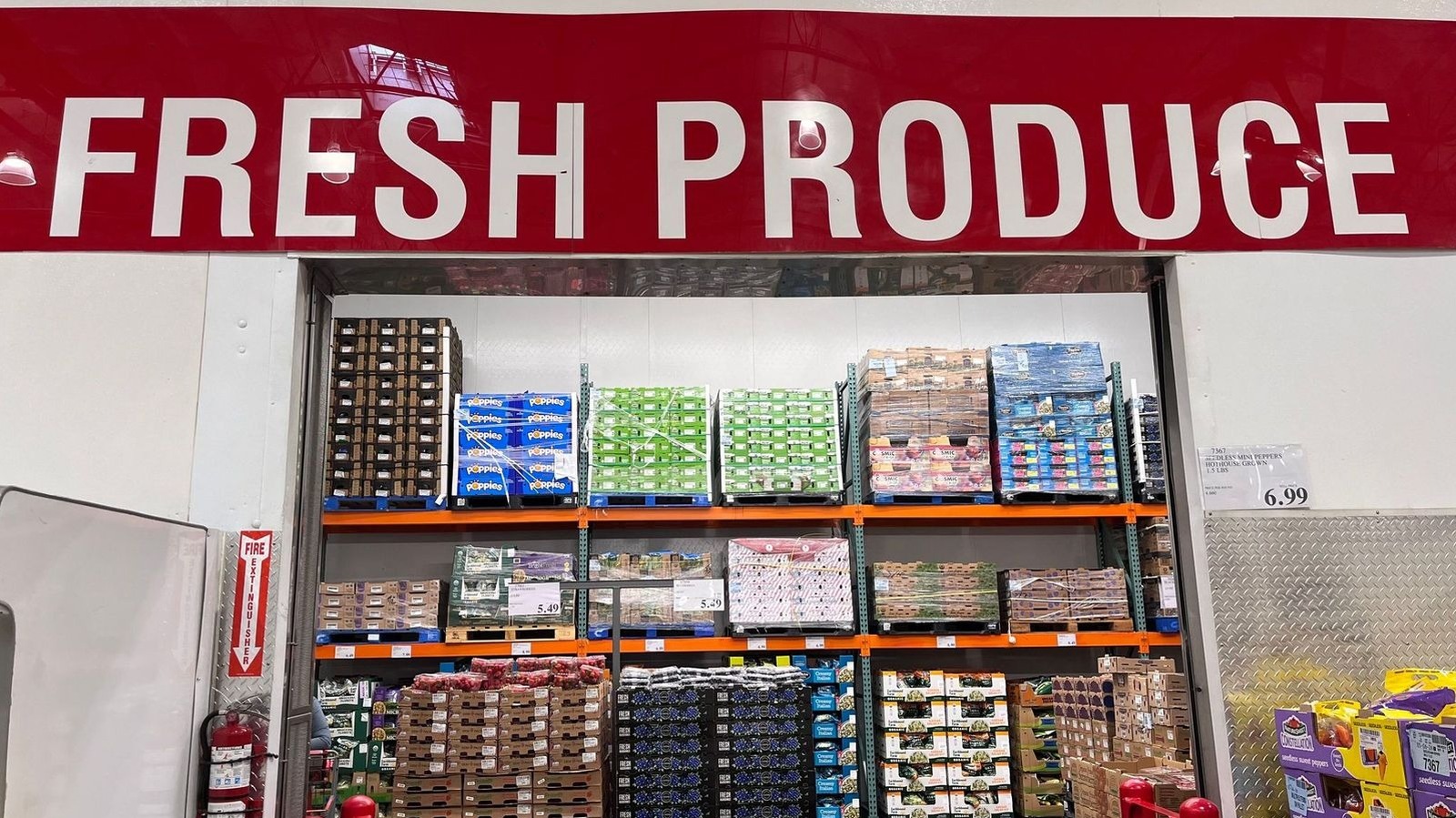
Costco moves millions of pounds of blueberries annually, making the warehouse giant one of America's biggest buyers of the fruit. The company sources blueberries from multiple regions to maintain year-round supply, leveraging both domestic and international growers.
During peak season, Costco prioritizes U.S. farms, particularly operations in California, Oregon, Washington, and Michigan. These regions supply the bulk of fresh blueberries from June through August. Washington state alone produces over 30 million pounds annually, making it a cornerstone supplier for major retailers like Costco.
When domestic harvests decline, Costco turns to international sources. Peru, Chile, and Mexico fill the gap during winter months, ensuring members find blueberries on shelves year-round. Peru has become increasingly important to American retailers, exporting massive volumes that arrive in U.S. supermarkets between December and April.
Costco's sourcing strategy reflects broader retail logistics. The company prioritizes cost efficiency and consistency over single-origin exclusivity. Membership warehouse models require reliable, predictable supply chains. A disruption at one farm simply means pivoting to another vetted supplier.
The blueberry supply chain involves multiple players. Costco doesn't farm directly but works through produce distributors and brokers who connect the warehouse with growers. These intermediaries negotiate volume contracts months in advance, locking in pricing and quantities.
Quality control remains central to Costco's model. The company maintains strict standards for ripeness, size, and shelf life. This means smaller farms often struggle to meet Costco's requirements, pushing the chain toward larger commercial operations with standardized growing practices.
For consumers, this system ensures affordable blueberries regardless of season. A pint that costs six dollars at specialty stores might sell for three dollars at Costco. That price point, however, depends on