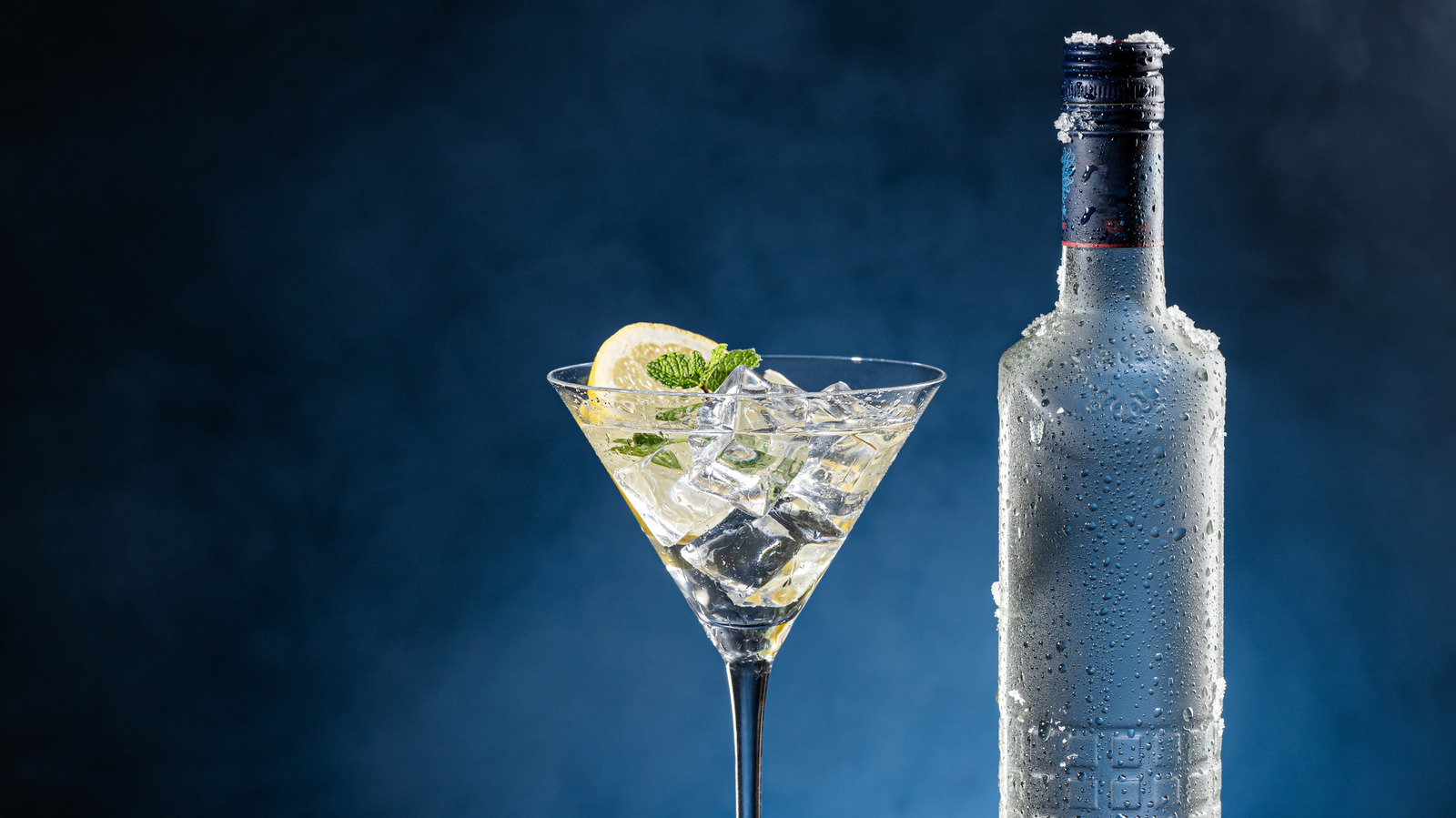
Drinking vodka in Russia follows rituals shaped by centuries of tradition and cultural practice. The spirit demands respect through specific consumption methods that separate casual sipping from authentic practice.
Russians drink vodka ice-cold, typically chilled to near-freezing temperatures in the freezer. The glass matters. A shot glass, not a wine glass, holds the proper pour. Most Russians take vodka neat, no mixers, no ice cubes melting and diluting the spirit. The standard serving sits between 50 and 100 milliliters per shot.
The toast precedes the drink. Russians don't simply raise a glass and drink. They offer a genuine toast to health, friendship, or the occasion at hand. The toast carries weight. After speaking the words, drinkers maintain eye contact before drinking the entire shot in one motion. Leaving vodka unfinished in the glass shows disrespect.
Food accompaniment proves essential to the Russian vodka experience. Pickled vegetables, smoked fish, dark bread, and fatty meats accompany drinking sessions. These foods absorb alcohol and slow intoxication. Russians treat vodka drinking as a social event centered around food and conversation, not rapid consumption for its own sake.
The quality of vodka matters significantly. Russians favor premium domestic brands like Stolichnaya or Beluga rather than lower-tier options. The spirit should taste clean and neutral, allowing drinkers to appreciate its purity rather than endure harsh flavors.
Pacing determines success when drinking with Eastern Europeans. Russians spread vodka drinking across hours, alternating shots with substantial meals and breaks. This approach differs sharply from cultures where speed defines prowess. Patience and deliberation mark experienced vodka drinkers.
The social aspect outweighs the alcohol itself. Drinking vodka in the Russian tradition means gathering around a table with others, sharing stories