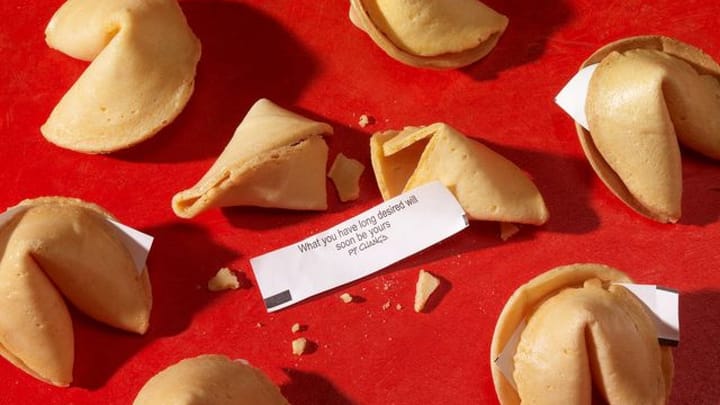
P.F. Chang's is leveraging National Fortune Cookie Day to drive digital loyalty program enrollment through its Good Fortune campaign. The chain dangles financial rewards for customers who sign up for its loyalty program during the promotional period.
This tactic reflects a broader shift in casual dining. Restaurants increasingly use holiday tie-ins and limited-time offers to convert one-time diners into tracked, repeat customers. P.F. Chang's joins competitors like Cheesecake Factory and Olive Garden in weaponizing nostalgia and tradition to build first-party data.
The fortune cookie angle works on multiple levels. The confection carries deep cultural weight in American Chinese cuisine, even though fortune cookies originated in Japan and arrived in America via California in the early 1900s. P.F. Chang's, which operates roughly 300 locations globally, trades on this Americana appeal while pushing customers toward its digital ecosystem.
Loyalty programs feed restaurant profitability in three ways. They capture email addresses and mobile numbers for direct marketing. They track purchase patterns, allowing chains to personalize offers and increase check averages. They also create emotional switching costs. Once enrolled, customers tend to return more frequently to maximize rewards.
P.F. Chang's moves into tougher dining conditions. Rising labor costs and consumer hesitation about discretionary spending have pressured casual dining chains. Loyalty recruitment becomes a defensive move, a way to protect market share through deeper customer relationships.
The Good Fortune campaign name plays on luck and prosperity, familiar themes in Asian cuisine marketing. Whether fortune cookies actually appear in the meal or exist only as digital metaphor remains unclear. Either way, P.F. Chang's understands that modern restaurant fortunes depend less on individual transactions and more on aggregating loyal digital subscribers who return consistently.